National
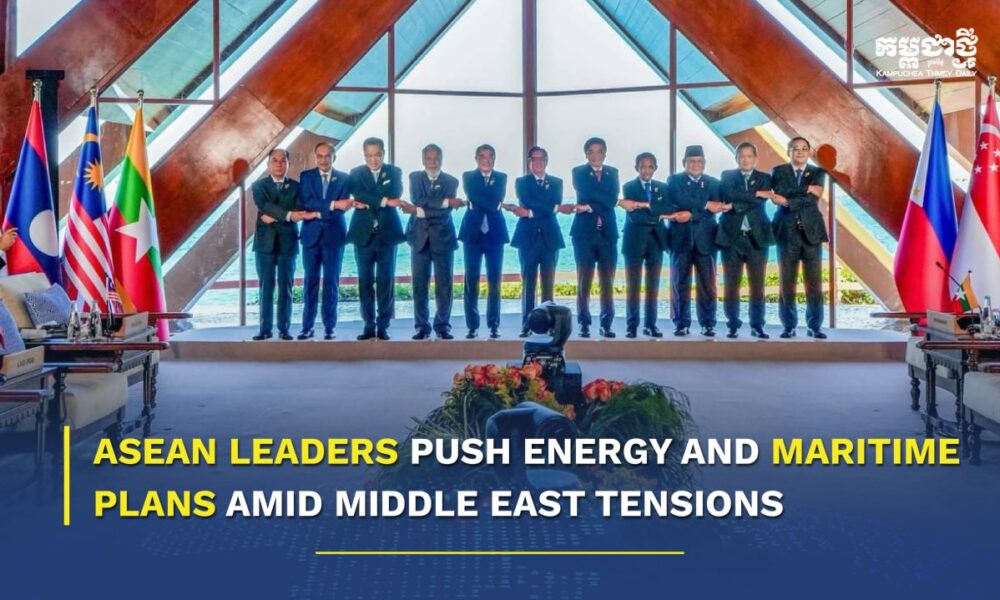
ASEAN Leaders Push Energy and Maritime Plans Amid Middle East Tensions
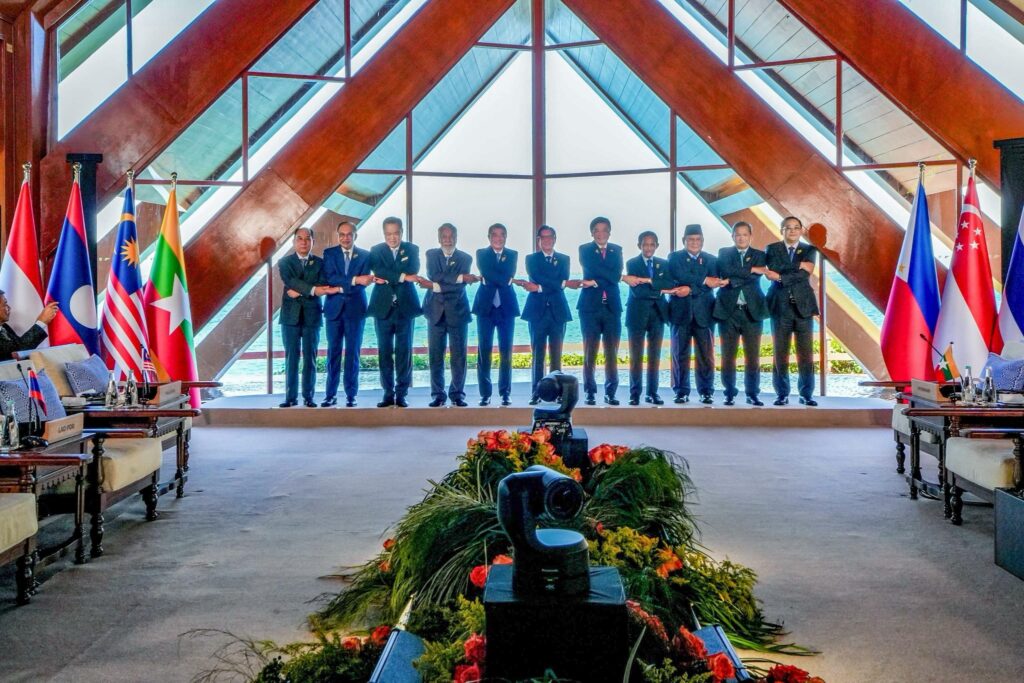
CEBU, Philippines, May 9, 2026 (KPT) — Southeast Asian leaders agreed Friday to accelerate regional energy security measures and advance plans for a shared maritime centre as concerns mount over the global fallout from the Middle East conflict, Philippine President Ferdinand Marcos Jr said.
Closing the 48th ASEAN Summit in Cebu, Marcos warned that disruptions in the Strait of Hormuz had underscored the vulnerability of fuel supplies.
He said member states were weighing the creation of a shared fuel reserve system to cushion future shocks.
“Some countries have a surplus of a certain kind of fuel, other people have a shortage, and we’re trying to balance that out,” Marcos told reporters.
Leaders also backed speeding up the long‑delayed ASEAN Power Grid project to connect electricity networks across the region, enabling cross‑border energy trading and more reliable supply for nearly 700 million people.
The Philippines, heavily reliant on Middle Eastern oil, has sought alternative suppliers in Russia and Latin America since the conflict escalated in February. Marcos said no new supply commitments were reached at the summit, with talks continuing bilaterally.
ASEAN leaders further endorsed the creation of an ASEAN Maritime Center to bolster cooperation and coordination on security issues.
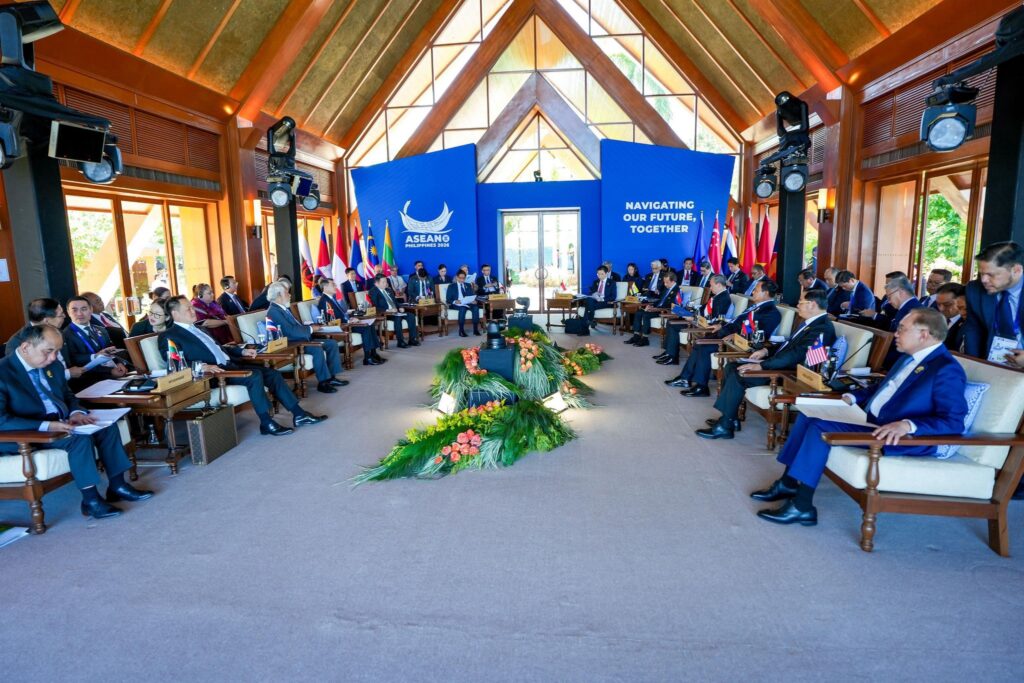
Marcos linked the proposal to fears of global shipping disruptions, warning that any blockade in the South China Sea could carry “alarming” economic consequences.
Manila has offered to host the centre, envisioned as a repository for maritime policies and initiatives among ASEAN members and partners, though its final structure and mandate remain under discussion.
Marcos also reiterated ASEAN’s goal of completing a long‑awaited Code of Conduct for the South China Sea by year‑end, calling it central to future economic cooperation with China.







-
 National2 months ago
Cambodia Expands Free ID Services While Introducing Clear Fee Structure for Administrative Documents
-
 National3 weeks ago
Cambodia proposes trilateral anti‑crime liaison mechanism with Laos, Vietnam
-
 National2 weeks ago
PM Hun Manet to visit China as trade surges and investment deepens
-
 National2 weeks ago
Cambodia says four soldiers injured in border blast, investigation launched
-
 National1 month ago
Samdech Techo Hun Sen Says Cambodia Can Meet Defence Needs Through Domestic Production
-

 National2 weeks ago
Cambodia opens new distribution hub to expand market access for local businesses
-
 Opinion2 months ago
From Connectivity to Resilience: How Japan’s Strategic Shift Could Transform Cambodia’s Next Development Phase
-

 Economy2 months ago
Cambodia Welcomes 1 Million Tourists in Q1, But Arrivals Fall Sharply Amid Regional Pressures