Opinion
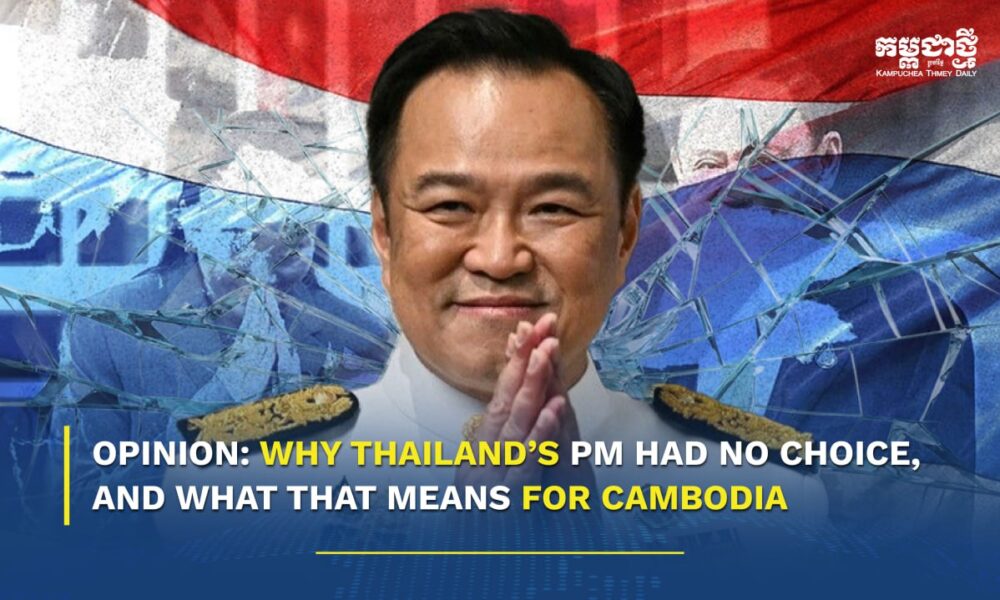
Opinion: Why Thailand’s PM Had No Choice, And What that Means for Cambodia
By Arnaud Darc, former EuroCham Cambodia
I examine Prime Minister Anutin Charnvirakul as a way of understanding how Thailand’s internal political system shapes its relationship with Cambodia in moments of crisis.
When Prime Minister Anutin Charnvirakul announced the dissolution of Thailand’s House of Representatives last night on December 11, he said he wished to return power to the people. The decision reveals a more structural reality. It was not an act of political choice, but the endpoint of a government that had run out of room to govern.
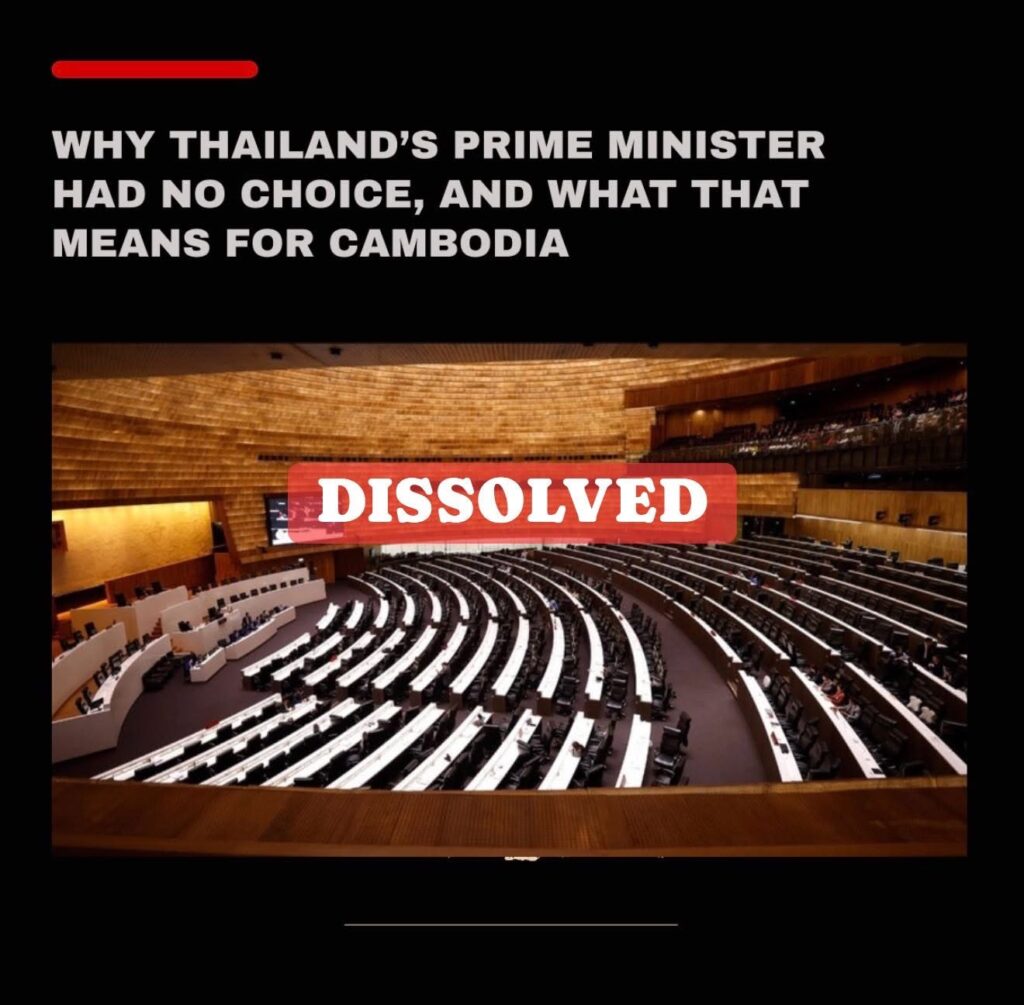
The immediate cause lay in parliament. A joint sitting rejected a draft constitutional amendment that would have lowered the threshold for charter changes. Instead, lawmakers restored the requirement that any amendment must secure the support of at least one third of the Senate. That vote closed the final channel of compromise sustaining Anutin’s minority administration. The People’s Party, which holds 151 seats and had provided confidence and supply, had made constitutional reform its core condition. Once that path was blocked, a no-confidence motion became unavoidable. Faced with that prospect, Anutin chose dissolution. In Thailand’s system, dissolution is a controlled reset. A parliamentary defeat is not.
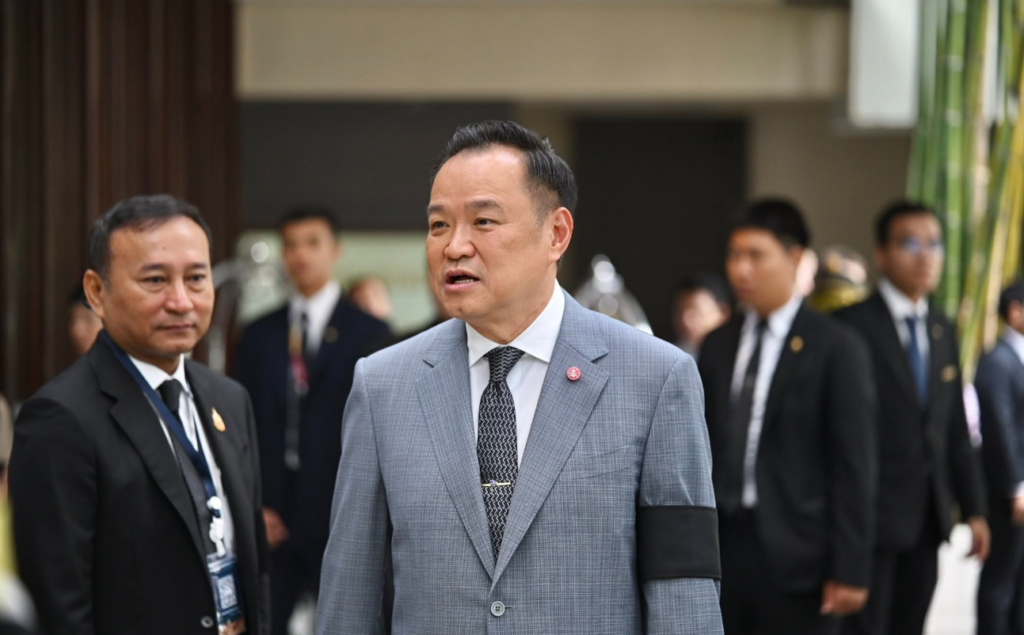
This sequence matters because it clarifies how power functions in Thailand. Anutin did not govern as a commanding executive. He governed as an equilibrium prime minister. He came to office after the system had blocked the electoral winner in 2023 and removed two successive prime ministers from Pheu Thai. The palace, the armed forces and key political networks converged on the need for a civilian figure who could hold the balance among competing veto players. Authority flowed from institutional tolerance, not from mandate.
That tolerance rested on several actors. The monarchy sets expectations on sovereignty and national identity. The army exercises wide autonomy over security posture. The Interior Ministry controls provincial administration. Provincial political machines deliver electoral stability. Parliament, fragmented and polarised, constrains policy through numbers. Anutin’s role was to keep these elements aligned. Once one of them withdrew consent, the equilibrium failed.
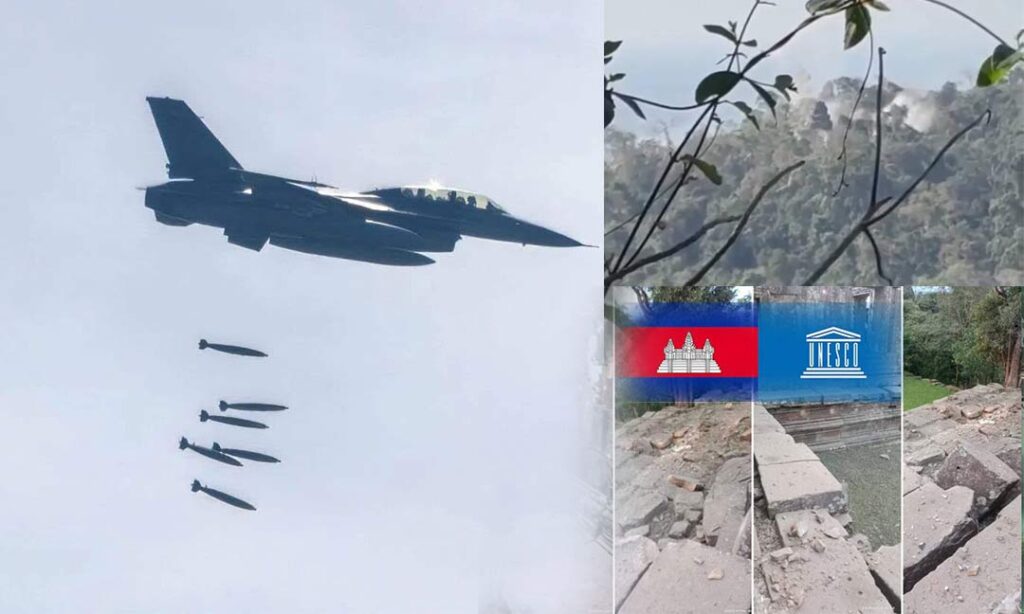
Domestic survival and foreign policy are linked through the same veto structure. The same constraints that limited Anutin’s ability to govern at home have shaped Thailand’s posture toward Cambodia over the past year.
On the border, the rhetorical floor is set by the monarchy and the army. Thai leaders cannot publicly moderate language on territorial issues without risking institutional confidence. In June 2025, according to Thai media reporting, Prime Minister Paetongtarn Shinawatra’s criticism of the Second Army Region preceded her removal within weeks. The boundary was drawn clearly. Any suggestion of softness on Cambodia carried immediate domestic costs.
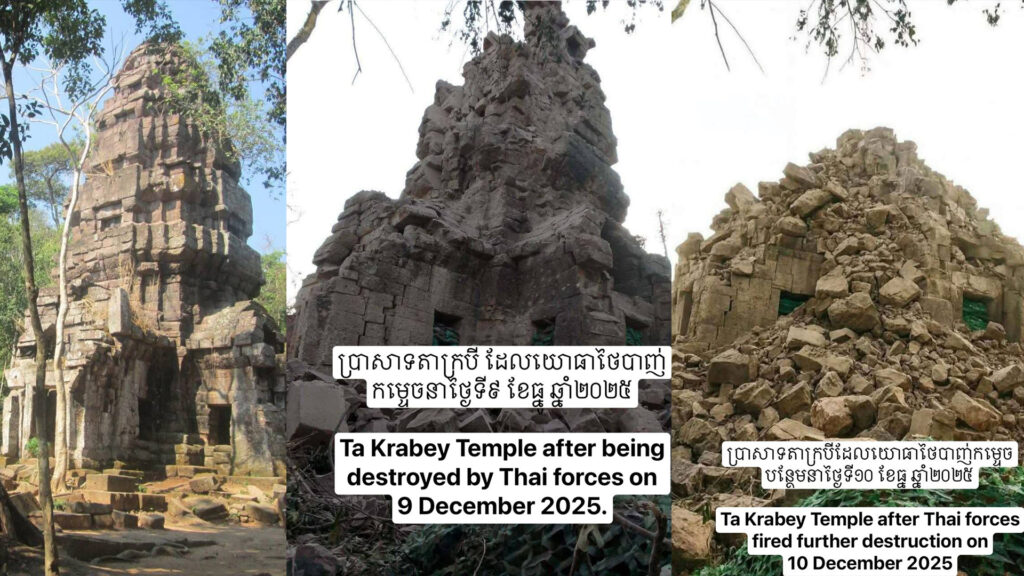
At the same time, the operational ceiling is set elsewhere. Provincial elites in Buriram, Surin, Sa Kaeo and Sisaket depend on significant cross-border trade and labour flows. Business groups worry about disruption to logistics and tourism. These actors exert quiet pressure to avoid prolonged closure or open conflict. The army itself has reasons for restraint, preferring to avoid engagements that could expose vulnerabilities or attract international scrutiny. Parliament adds a further constraint. The People’s Party made clear that support for the government extended only to defensive posture.
These three pressures operate simultaneously. Rhetoric is driven upward by institutional expectations. Action is constrained downward by economic and political risk. The result has been a familiar pattern. Strong public statements. Controlled military operations. Procedural diplomacy. No public concessions.
Cambodia has responded from a different position. Lacking escalation dominance and external security guarantees, Phnom Penh has pursued constrained deterrence. Its strategy has combined fortified positions with legal and diplomatic channels. Cambodia has raised its case through ASEAN consultation mechanisms and international legal processes, seeking to limit Thai options and build legitimacy. Hun Manet’s government has calibrated its responses carefully, with Hun Sen retaining influence over escalation thresholds.
The asymmetry is clear. Cambodia reads Thai firmness as intent. Thailand responds to domestic incentive. Neither reading fully captures the other side’s logic. The greater danger lies not in deliberate escalation, but in structural misinterpretation.
The dissolution of the House confirms this framework. Once parliamentary tolerance disappeared, the system chose reset over rupture. The same logic explains why Thailand’s border policy has been rigid in language and cautious in execution. Leaders do not freely choose between escalation and compromise. They operate within boundaries set by institutions.
With parliament dissolved, Thailand now enters a caretaker phase. The scope for initiative narrows further. The armed forces will maintain posture. The government will avoid new commitments. Diplomatic engagement will continue through established channels, without substantive shifts. Caretaker administrations in Thailand rarely take risks on security matters.
Anutin’s decision to dissolve parliament did not alter Thailand’s political architecture. It clarified it. Until those veto structures change, Thailand’s external behaviour will remain a function of internal survival, not strategic choice.








-
 National2 months ago
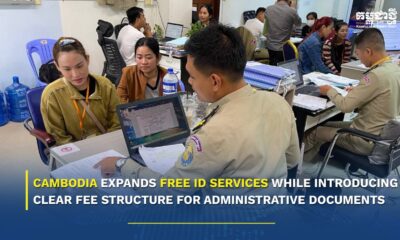
Cambodia Expands Free ID Services While Introducing Clear Fee Structure for Administrative Documents
-
 National3 weeks ago
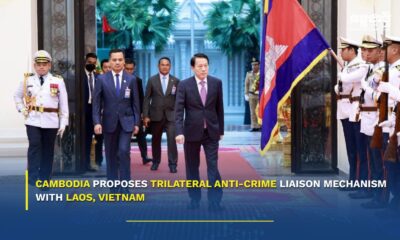
Cambodia proposes trilateral anti‑crime liaison mechanism with Laos, Vietnam
-
 National3 weeks ago
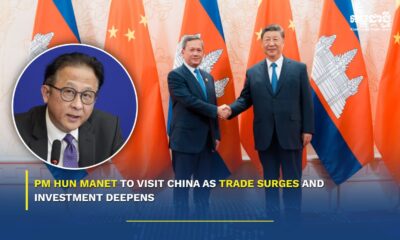
PM Hun Manet to visit China as trade surges and investment deepens
-
 National2 weeks ago
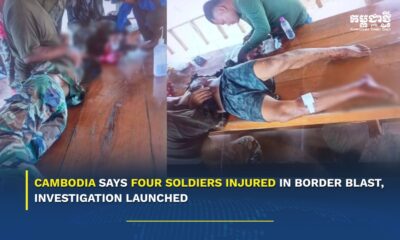
Cambodia says four soldiers injured in border blast, investigation launched
-
 National1 month ago
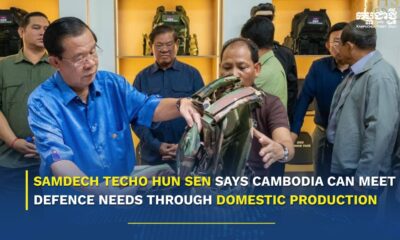
Samdech Techo Hun Sen Says Cambodia Can Meet Defence Needs Through Domestic Production
-
 National3 weeks ago
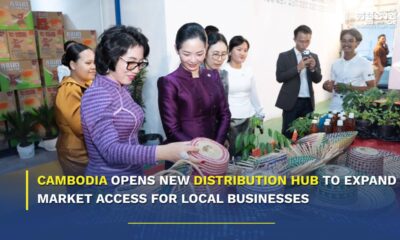
Cambodia opens new distribution hub to expand market access for local businesses
-
 Opinion2 months ago
From Connectivity to Resilience: How Japan’s Strategic Shift Could Transform Cambodia’s Next Development Phase
-
 Economy2 months ago
Cambodia Welcomes 1 Million Tourists in Q1, But Arrivals Fall Sharply Amid Regional Pressures