Opinion
Opinion: Thailand’s Strategy to Violate the Status Quo and Subvert the JBC and GBC Mechanisms
By Long Panhavuth | Lawyer, PAN & Associates Law Firm
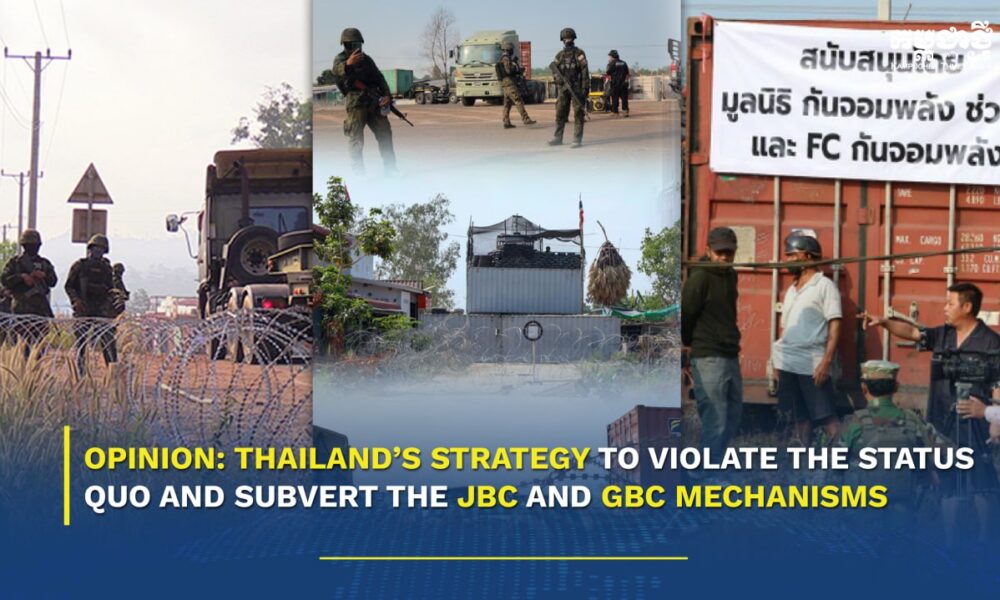
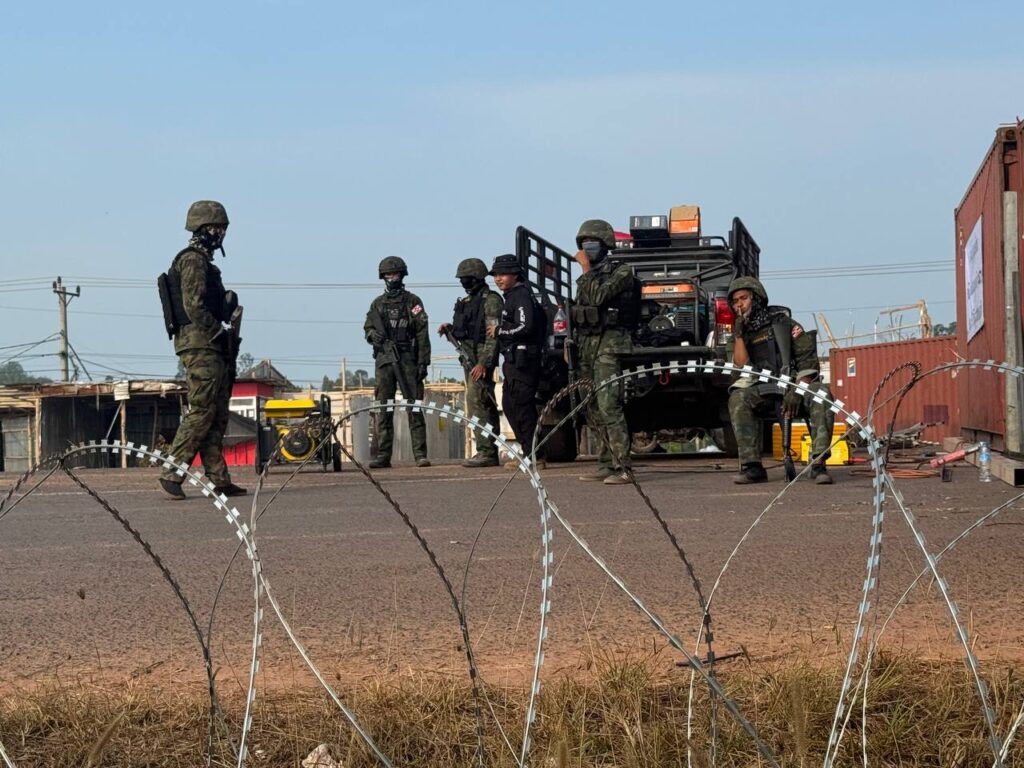
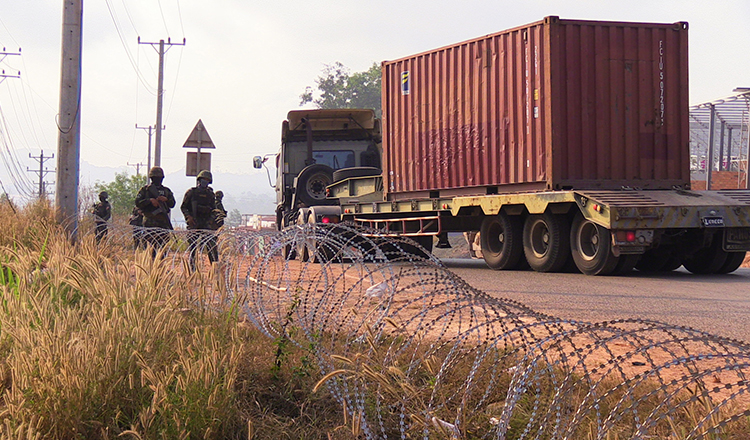
The recent activities of the Thai armed forces, aided by Thai monks, in constructing permanent infrastructure and Buddha statues in the disputed border areas of Preah Vihear and Oddar Meanchey provinces are no coincidence. Through the lens of geopolitical analysis, this is a deeply interlocked strategy designed to alter de facto realities on the ground by openly violating the principle of the Status Quo while deliberately circumventing formal
border resolution mechanisms, namely the Joint Boundary Commission (JBC) and the General Border Committee (GBC).
1. “Bad Faith” in Delaying JBC and GBC Mechanisms
The JBC and GBC mechanisms were established to resolve disputes peacefully and in accordance with international law (specifically based on the 1:200,000 scale map). However, Thailand has weaponized these mechanisms, transforming them into “delaying tactics” to serve its territorial ambitions:
- Using Diplomatic Deadlock as a Shield for Construction: The Thai side frequently cites various excuses—such as internal political issues, changes in
government, or complex parliamentary procedures—to continuously delay or cancel JBC and GBC meetings. The true objective is not technical; it is about buying time.
- Constructing on Encroached Land: While diplomatic channels are deliberately stalled, the Thai military remains highly active along the border. Thailand exploits the intervals between these delayed meetings to carry out illegal activities, deploying heavy machinery to clear land and pour concrete for permanent structures on Cambodian soil. This strategy of “letting diplomats talk endlessly while troops and machinery expand on the ground” is a clear demonstration of bad faith in international relations.
2. The Cycle of Repeated Status Quo Violations
Thailand’s violations of Article 5 of the 2000 Memorandum of Understanding (MoU)—which explicitly mandates that both parties maintain the environmental and physical status quo—are neither new nor accidental. Rather, they constitute a calculated strategy of “Creeping Annexation” (or salami-slicing tactics). An in-depth analysis of Thailand’s historical approach reveals a dangerous trend:
- Weaponizing Religion as a Shield: The deployment of monks and the construction of Buddha statues serve as a highly effective psychological tactic. Thailand is acutely aware that Cambodia is a devoutly Buddhist nation. Using force to clear or dismantle
Buddha statues would invite intense criticism and offend the religious sentiments of Cambodian Buddhists. This is essentially holding religion as a political hostage for territorial gain.
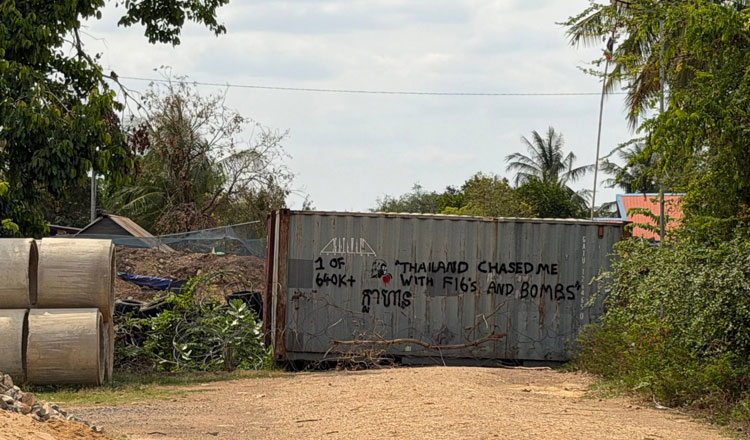
- Testing the Red Lines: Thailand consistently initiates minor incursions, such as clearing a small path or building temporary wooden huts. If Cambodia fails to protest, these structures are soon upgraded to concrete fortifications. If Cambodia protests strongly, the Thai military may temporarily pause, only to resume the activities when the situation quiets down or shift their efforts to a different location. This explains the cyclical nature of their Status Quo violations.
* Future Ambitions: As long as the border remains incompletely demarcated, Thailand will persistently attempt to manufacture “facts on the ground.” During future border negotiations, Bangkok will undoubtedly point to these permanent structures, pagodas, and civilian footprints to assert claims of “historical ownership.”
3. The Status Quo Principle, “Good Faith,” and Thailand’s Obligations
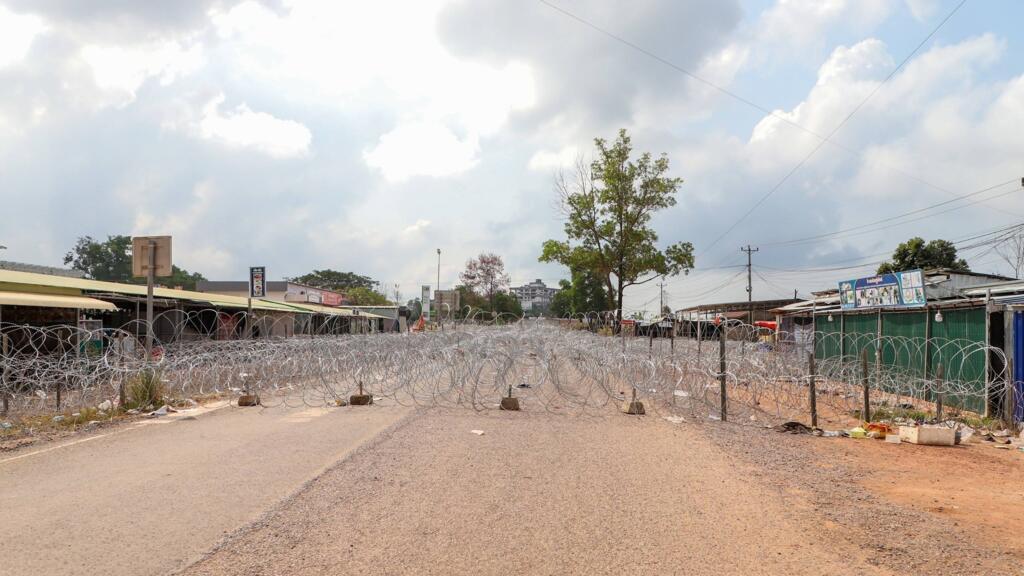
Under international law, treaties and agreements must be executed under the principle of Good Faith (Bona Fide), anchored in the doctrine of Pacta Sunt Servanda (agreements must be kept). Maintaining the Status Quo means more than simply refraining from armed conflict; it demands the “good faith” obligation not to take any action that could prejudice the final outcome of the border demarcation.
To demonstrate good faith and respect for international law, Thailand must adhere to the following:
- Immediately Cease All Unilateral Actions: Thailand must halt all construction, land clearing, and demographic or geographic alterations in the disputed zones—whether executed by military, civilian, or religious actors. Exploiting religious monuments to expand territory is a severe breach of the spirit of good faith.
- Restore the True Status Quo: Good faith dictates that Thailand must not only stop new construction but also dismantle the illegal structures it has recently erected. The physical environment must be restored to its original state pending the resolution by bilateral mechanisms.
- Return to the JBC Table in Good Faith: Thailand must abandon the use of domestic political excuses to stall negotiations. It must engage in the JBC mechanism based strictly on international law and the ICJ-recognized 1:200,000 maps, rather than attempting to force Cambodia to accept maps unilaterally drawn by Bangkok.
Ultimately, the actions of the Thai military and monks along the border are not benign religious or developmental activities; they are acts of “covert aggression” that blatantly violate the Status Quo and subvert the JBC and GBC mechanisms. Thailand’s execution of bilateral agreements devoid of “good faith” is severely damaging mutual trust.
In the face of these transgressions, the official diplomatic protests issued by the Cambodian Ministry of Foreign Affairs are an absolute legal imperative. These protests establish crucial legal grounds to prevent Thailand from successfully invoking the doctrine of “Estoppel” (acquiescence through silence) in the future. Relentless diplomatic protests, coupled with demands that Thailand fulfill its international obligations in Good Faith, remain Cambodia’s most formidable legal weapons to halt this creeping annexation and safeguard its territorial integrity.







-
 National1 month ago
Cambodia Expands Free ID Services While Introducing Clear Fee Structure for Administrative Documents
-
 National3 weeks ago
Cambodia proposes trilateral anti‑crime liaison mechanism with Laos, Vietnam
-
 National2 weeks ago
PM Hun Manet to visit China as trade surges and investment deepens
-
 National2 weeks ago
Cambodia says four soldiers injured in border blast, investigation launched
-
 National1 month ago
Samdech Techo Hun Sen Says Cambodia Can Meet Defence Needs Through Domestic Production
-

 National2 weeks ago
Cambodia opens new distribution hub to expand market access for local businesses
-
 Opinion2 months ago
From Connectivity to Resilience: How Japan’s Strategic Shift Could Transform Cambodia’s Next Development Phase
-

 Economy2 months ago
Cambodia Welcomes 1 Million Tourists in Q1, But Arrivals Fall Sharply Amid Regional Pressures