Economy
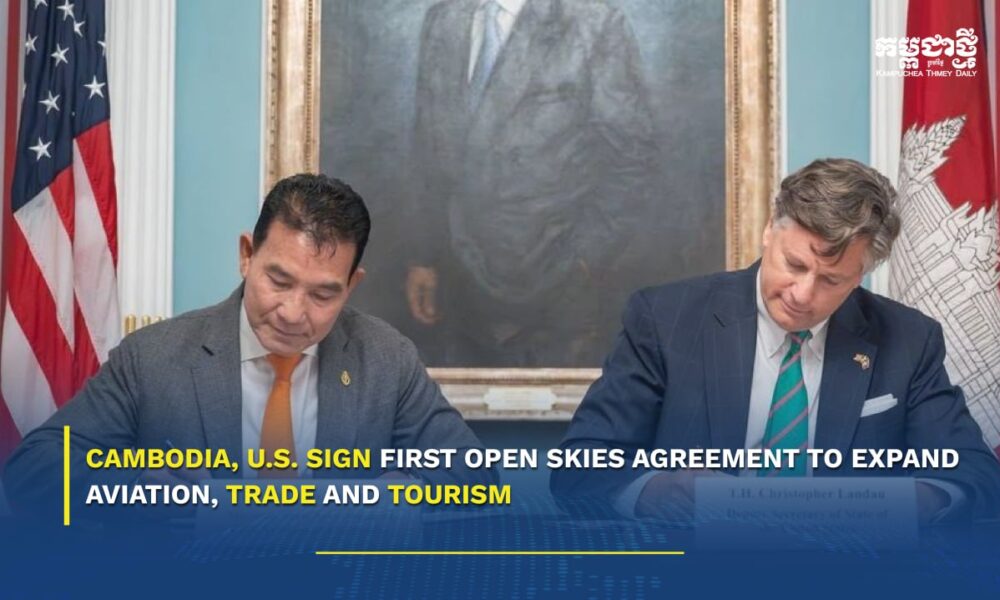
Cambodia, U.S. sign first Open Skies agreement to expand aviation, trade and tourism
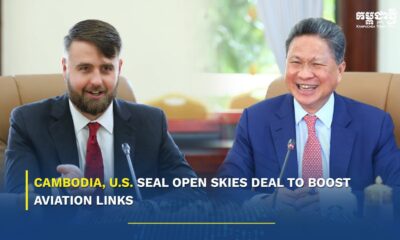
WASHINGTON, July 1, 2026 (KPT) – Cambodia and the United States have signed their first Open Skies Air Transport Agreement on June 30, a landmark deal expected to boost aviation connectivity, facilitate trade and tourism, and deepen commercial cooperation, officials said Wednesday.
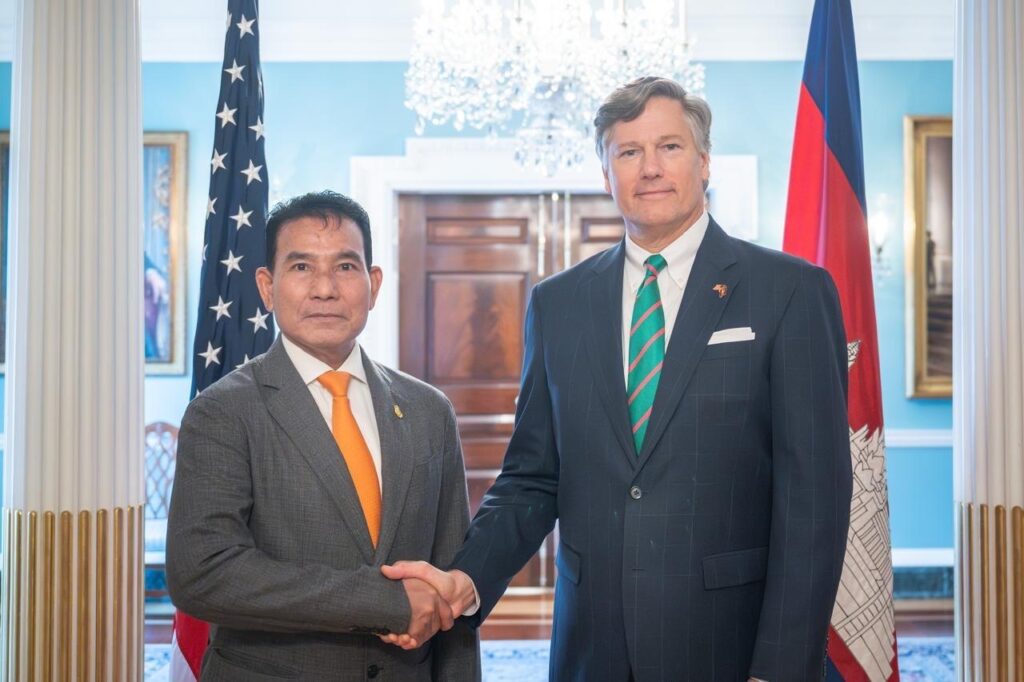
Dr. Mao Havannall, Minister‑in‑Charge of Cambodia’s State Secretariat of Civil Aviation (SSCA), and U.S. Deputy Secretary of State Christopher Landau signed the accord on June 30 in Washington.
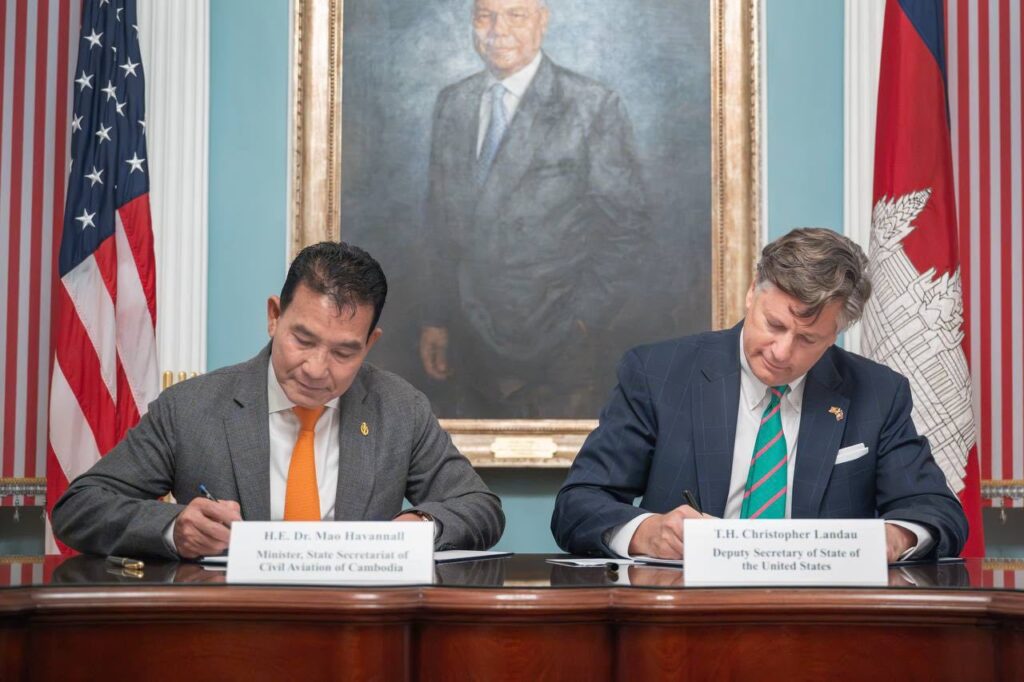
The agreement establishes a modern bilateral aviation framework, granting airlines greater operational flexibility and promoting more affordable, convenient and efficient passenger and cargo services. It also provides all‑cargo seventh‑freedom traffic rights, enabling carriers to operate between the United States and third countries without linking flights to Cambodia.
The deal comes shortly after the U.S. International Development Finance Corporation approved a US$100 million Letter of Intent to support financing for Cambodia’s new Techo International Airport, underscoring growing economic and infrastructure cooperation.
SSCA official said expanded market access would benefit travelers, exporters and logistics companies, while reinforcing Cambodia’s integration into the global aviation network. Cambodian authorities described the accord as a milestone in bilateral relations and a reflection of Prime Minister Hun Manet’s broader commitment to expand civil aviation partnerships and strengthen global cooperation.
The agreement follows Air Cambodia’s landmark US$3.24 billion deal with Boeing in February for the purchase of 10 Boeing 737 MAX aircraft, with options for 10 more.
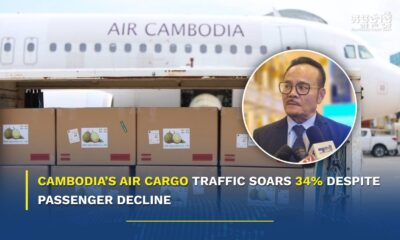
Figures from the SSCA showed that between January and May 2026, Cambodia’s international airports handled 2.8 million passengers, a six percent decrease year‑on‑year. Airlines operated 27,843 flights during the period, up one percent, while air cargo surged 34 percent to 38,951 tonnes.







-
 National2 months ago
Poll Finds Strong Cambodian Support for Closer China Ties
-
 Opinion2 months ago
Vienna Convention on the Law of Treaties (VCLT)’s ruling over the MoU 2001 Cancellation by Thailand against Cambodian Maritime Territories
-

 Economy2 months ago
Cambodia Bans Prize Promotions on Beer and Energy Drinks to Level Playing Field
-
 Opinion1 month ago
From Connectivity to Resilience: How Japan’s Strategic Shift Could Transform Cambodia’s Next Development Phase
-
 Education2 months ago
UK Pearson Edexcel Program Launched to Expand Cambodia’s International Education Standards
-
 National2 months ago
Senate backs Cambodia’s UNCLOS conciliation move, urges Thailand to maintain dialogue
-
 Opinion1 month ago
Op-Ed: A Decade of Dialogue, Yet Many Challenges Remain
-

 Economy2 months ago
Major Beer Producers in Cambodia Back Government Ban on Prize Promotions