Economy
Fuel price surge strains Cambodian households, SMEs and informal workers
PHNOM PENH, Mar. 27, 2026 (KPT) – Rising global oil prices are weighing heavily on Cambodian households, small businesses and informal workers, with higher fuel costs driving up daily living expenses and eroding purchasing power, officials and analysts said Friday.
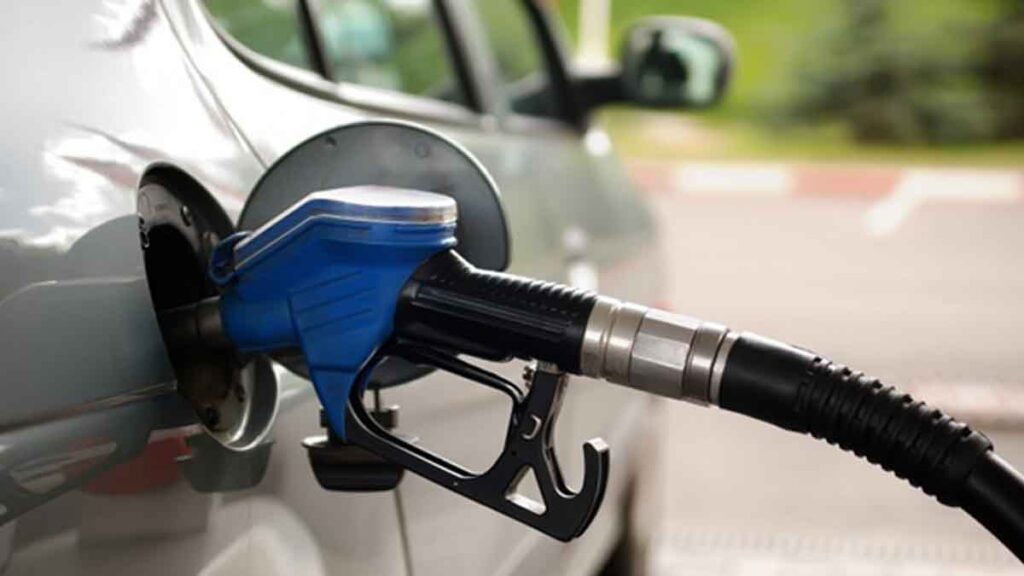
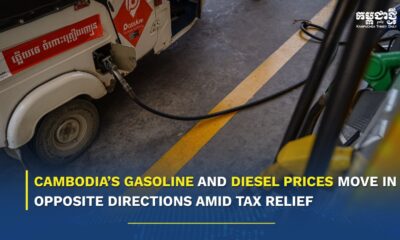
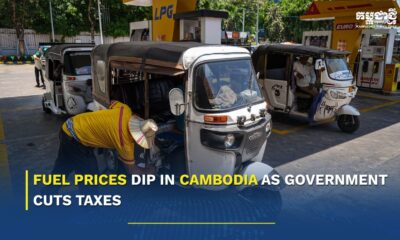
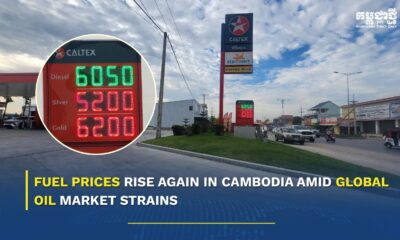
Fuel prices have climbed in recent weeks, reflecting volatility in global energy markets amid Middle East tensions. The government has introduced tax cuts, reduced VAT and eliminated import duties to cushion the impact, but transport and food costs are already rising nationwide.
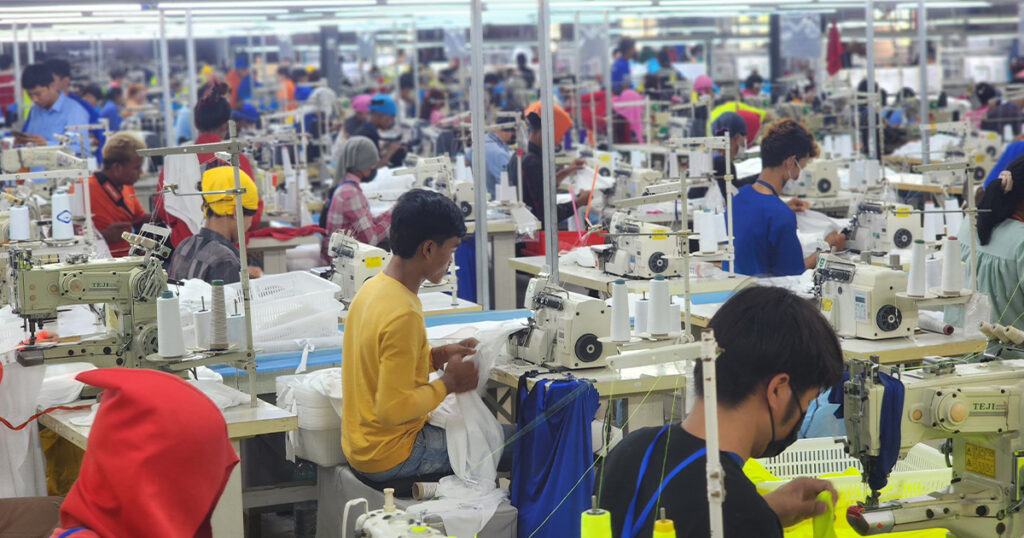
Factory worker Voeun Sokoeun said gas prices had more than doubled, forcing her to cut weekend outings and long trips. Small business owner Yin Chhorvy described mounting transport costs as “very difficult,” leaving little room for savings.
Informal workers such as delivery drivers and street vendors are among the hardest hit, said Vorn Pov, president of the Independent Democracy of Informal Economy Association. He called for stronger government support, fuel price stabilization and reduced commission fees from ride hailing platforms.
Ky Sereyvath of the Royal Academy of Cambodia warned that prolonged instability would demand coordinated international responses. “If this situation continues, solutions must be found or the global economy will face serious consequences,” he said.
He stressed that for smaller economies such as Cambodia, safeguarding livelihoods and sustaining economic activity is vital. “Citizens must continue working and maintaining their livelihoods to support both household resilience and national stability,” he added.
On March 21, the government announced a temporary monthly travel allowance of $2.50 for garment workers, beginning in April, to ease transport costs. The measure, endorsed by the National Minimum Wage Council, covers the textile, garment, footwear and travel goods sectors until fuel prices stabilize. Union representatives welcomed the subsidy, praising tripartite cooperation between government, employers and unions.
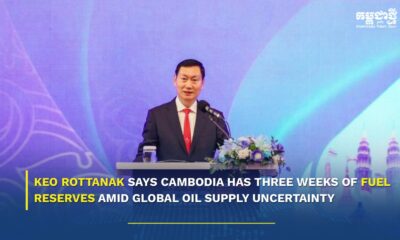
Diesel is currently priced at 7,100 riel ($1.77) per liter and gasoline at 5,450 riel ($1.36). Energy Minister Keo Rottanak said authorities are working to ensure stable supply. Analysts warned prolonged global instability could worsen the situation, urging coordinated responses to safeguard livelihoods and economic resilience.








-

 National1 month ago
Cambodia Expands Free ID Services While Introducing Clear Fee Structure for Administrative Documents
-

 National3 weeks ago
Cambodia proposes trilateral anti‑crime liaison mechanism with Laos, Vietnam
-

 National2 weeks ago
PM Hun Manet to visit China as trade surges and investment deepens
-

 National2 weeks ago
Cambodia says four soldiers injured in border blast, investigation launched
-

 National1 month ago
Samdech Techo Hun Sen Says Cambodia Can Meet Defence Needs Through Domestic Production
-

 National2 weeks ago
Cambodia opens new distribution hub to expand market access for local businesses
-
 Opinion2 months ago
From Connectivity to Resilience: How Japan’s Strategic Shift Could Transform Cambodia’s Next Development Phase
-

 Economy2 months ago
Cambodia Welcomes 1 Million Tourists in Q1, But Arrivals Fall Sharply Amid Regional Pressures