Economy
Cambodia Promotes Peace, Predictability and Connectivity at Nikkei Forum in Tokyo
TOKYO, June 11, 2026 (KPT) — Cambodia reaffirmed its commitment to peace, investment predictability and regional connectivity as pillars of sustainable growth during the 31st Nikkei Forum on the Future of Asia in Tokyo on Thursday.
Representing Prime Minister Samdech Thipadei Hun Manet, Deputy Prime Minister and First Vice Chairman of the Council for the Development of Cambodia (CDC), Sun Chanthol, delivered a keynote address under the theme “Working Together for a More Resilient and Prosperous Asia.”
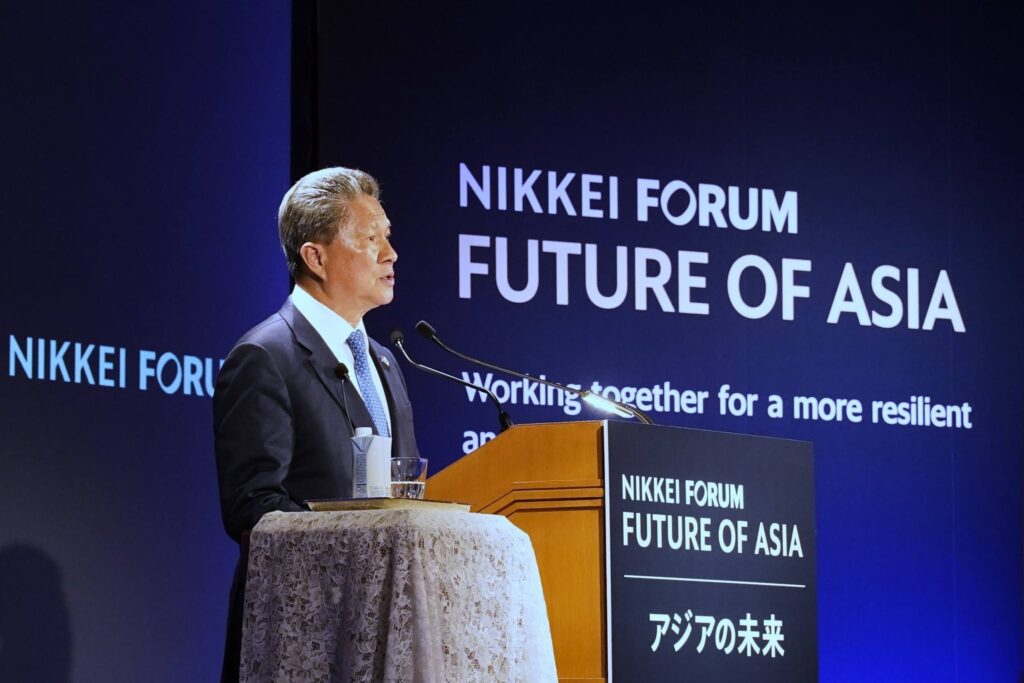
Chanthol stressed that peace and the rule of law remain the foundations of Cambodia’s development strategy, alongside economic openness and inclusive growth, as the country pursues its ambition of reaching high-income status by 2050.
On regional issues, he reiterated Cambodia’s preference for dialogue and legal mechanisms in resolving disputes. Referring to maritime concerns in the Overlapping Claims Area (OCA), he said Cambodia is pursuing peaceful legal avenues under the UN Convention on the Law of the Sea (UNCLOS) through the Compulsory Conciliation mechanism.
Highlighting Cambodia’s investment climate, Chanthol described predictability—built on transparency, policy consistency and trusted partnerships—as the nation’s greatest competitive advantage. The CDC approved 630 projects worth over US$10 billion in 2025, with another 146 projects valued at US$2.5 billion cleared in the first quarter of 2026.
He pointed to progress in higher-value manufacturing, noting that exports of automotive components and tires reached US$580 million in the first quarter of 2026, with automotive parts exports rising more than 30 percent. Japan remains Cambodia’s largest export market.
Cambodia is also leveraging its geographic position at the heart of mainland ASEAN through major infrastructure, digital security and green energy investments. Projects include the new Siem Reap-Angkor International Airport, the ongoing Techo International Airport, expansion of Sihanoukville Autonomous Port, and the Funan Techo Canal, expected to cut logistics costs and strengthen supply chain integration.
On cybersecurity, Chanthol pledged strict enforcement against transnational online scam networks to safeguard trust in the digital economy. He also noted that renewable energy now accounts for more than 63 percent of Cambodia’s domestic electricity generation, with a target of at least 70 percent by 2030.
Expressing appreciation to Japan for its longstanding support, he said bilateral trade exceeded US$750 million in the first quarter of 2026, up nearly 15 percent year-on-year.
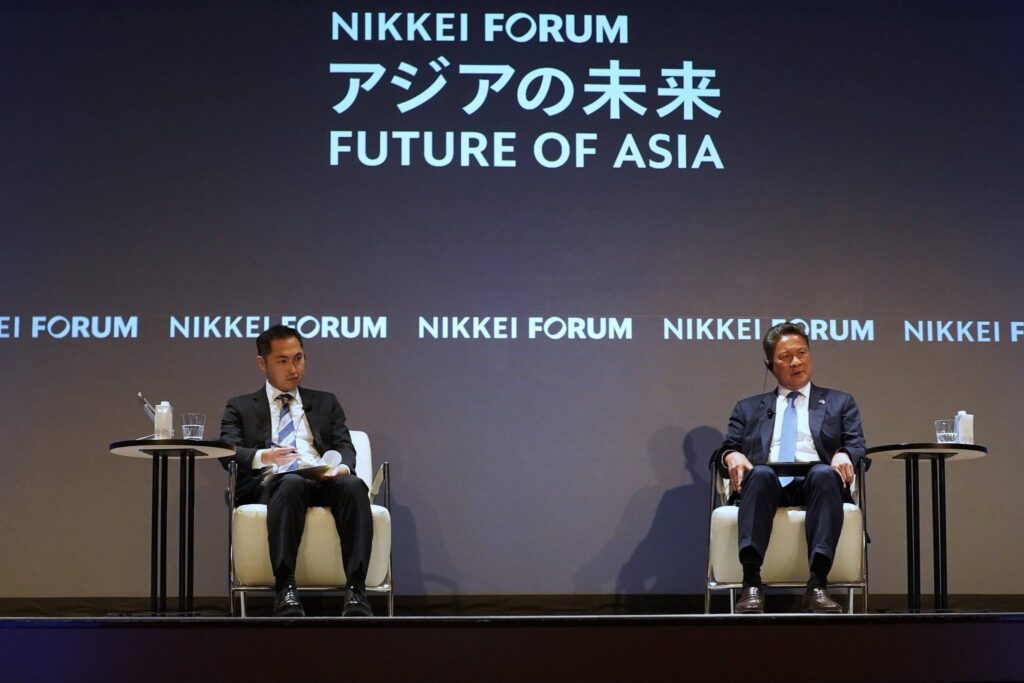
In a fireside chat, Chanthol further outlined Cambodia’s economic strategy, foreign policy priorities and investment opportunities. Concluding his remarks, he emphasized resilience and cooperation: “Resilience is not the absence of challenges. It is the ability to overcome them.”







-
 National1 month ago
Poll Finds Strong Cambodian Support for Closer China Ties
-
 Economy2 months ago
Cambodia Moves to Boost Green Economy with $30 Million Climate Financing Deal
-
 Opinion2 months ago
Opinion: The “Scambodia” Fallacy: Editorial Malpractice and the Erosion of Journalistic Ethics
-
 National2 months ago
Cambodia Condemns ‘Scambodia’ Label in Wall Street Journal Report
-

 Opinion1 month ago
Vienna Convention on the Law of Treaties (VCLT)’s ruling over the MoU 2001 Cancellation by Thailand against Cambodian Maritime Territories
-

 Economy1 month ago
Cambodia Bans Prize Promotions on Beer and Energy Drinks to Level Playing Field
-

 Economy1 month ago
Cambodia Caps Fuel Price Rise as Global Oil Surge Hits Domestic Market
-
 Politics2 months ago
Cambodian Embassy in France Rejects ‘Politicization’ Claims, Affirms Neutral Role