Economy
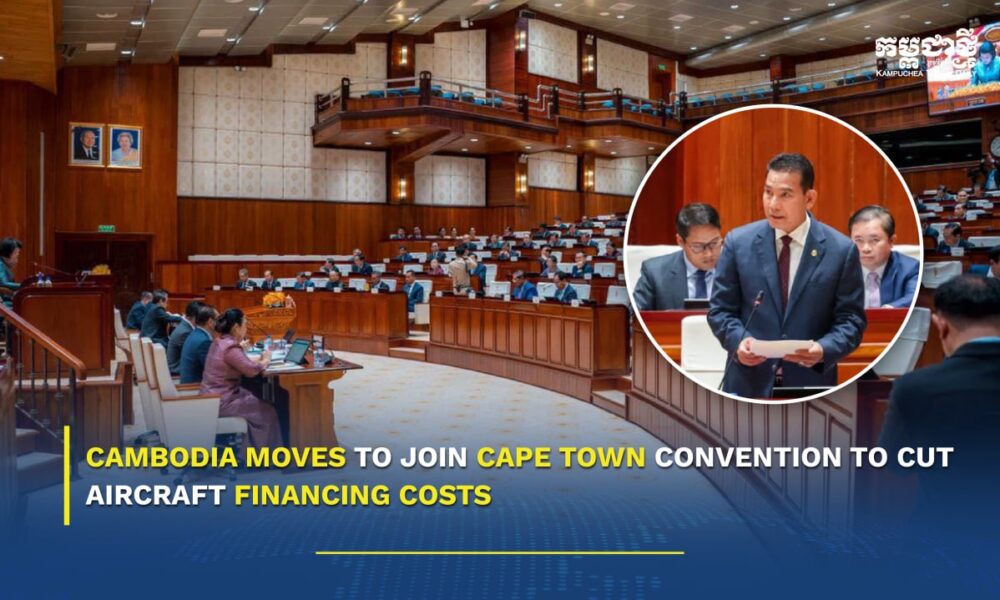
Cambodia moves to join Cape Town Convention to cut aircraft financing costs
PHNOM PENH, July 14, 2026 (KPT) – Cambodia has taken a step toward joining the Cape Town Convention and its Aircraft Protocol, a move officials say will lower aircraft financing and leasing costs, bolster investor confidence and support the long‑term growth of the aviation sector.
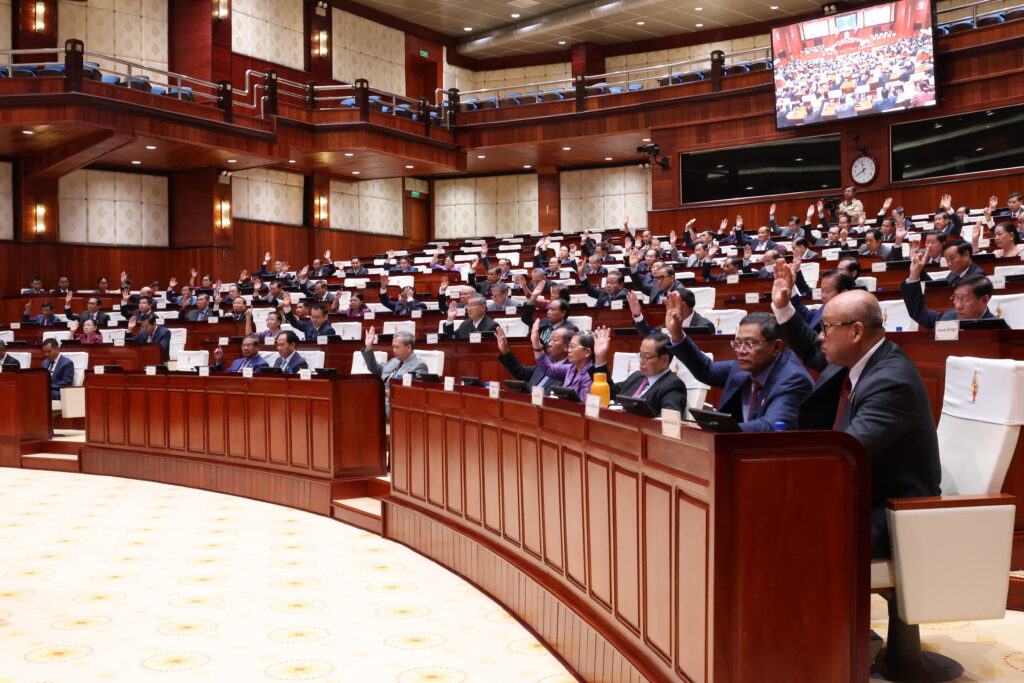
The draft law authorizing accession was tabled in the National Assembly by the State Secretariat of Civil Aviation (SSCA) after cabinet approval on June 26. If passed, Cambodia would become a State Party to the treaty, which sets a global legal framework for international interests in high‑value mobile equipment such as aircraft, engines and helicopters.
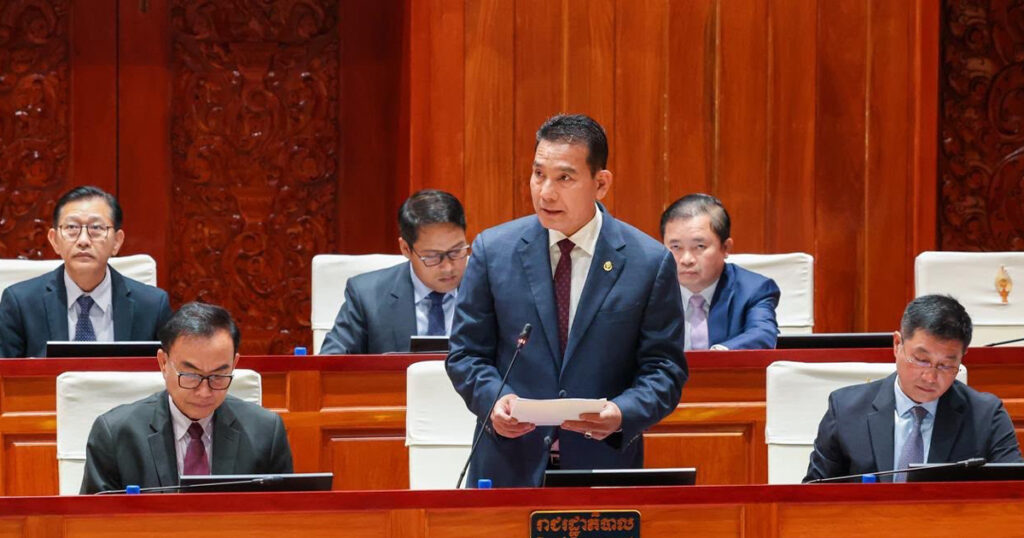
The SSCA said the Convention provides greater legal certainty for lenders, lessors and airlines through an international registry and standardized rules for secured financing, leasing and asset recovery. Joining would reduce risks for financiers, enabling Cambodian carriers to obtain aircraft under more favorable terms.
Officials noted accession would help lower leasing costs, encourage fleet expansion, attract international lessors and support the sustainable development of air transport, tourism and trade. It is also expected to strengthen the bargaining position of national airline Air Cambodia when negotiating purchases or leases with manufacturers including Boeing and COMAC, potentially securing more competitive financing arrangements.
The SSCA stressed the treaty does not affect national debt, excludes state aircraft and drones, and applies only to civil aviation equipment. Disputes would be handled by domestic courts, notably Phnom Penh Municipal Court.
The initiative follows International Civil Aviation Organization recommendations. As of June, 124 countries had joined the Convention and 104 had acceded to the Aircraft Protocol, including Malaysia, Indonesia, Singapore, Myanmar and Vietnam within ASEAN.
Officials said accession would integrate Cambodia into the global aviation legal framework, enhance confidence among investors and financiers, and advance the Kingdom’s ambition to build a competitive and resilient aviation industry.








-
 National2 weeks ago
PM Hun Manet to visit China as trade surges and investment deepens
-

 National1 month ago
Samdech Techo Hun Sen Says Cambodia Can Meet Defence Needs Through Domestic Production
-
 Opinion2 months ago
From Connectivity to Resilience: How Japan’s Strategic Shift Could Transform Cambodia’s Next Development Phase
-

 National1 week ago
Cambodia says four soldiers injured in border blast, investigation launched
-

 Economy2 months ago
Cambodia Welcomes 1 Million Tourists in Q1, But Arrivals Fall Sharply Amid Regional Pressures
-

 Opinion2 months ago
Op-Ed: A Decade of Dialogue, Yet Many Challenges Remain
-

 Economy2 months ago
Cambodia Denies Viral Rumors of Border Closure, Entry Ban
-
 Economy1 month ago
Cambodia’s Labor Market Set to Add 445,000 Jobs in 2026 as Industry and Services Drive Growth