National
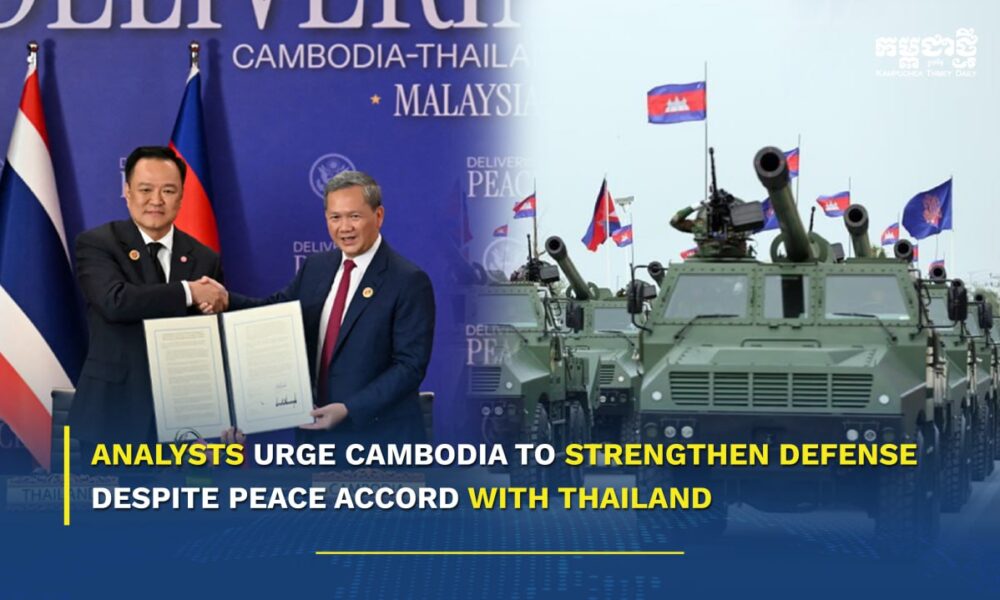
Analysts Urge Cambodia to Strengthen Defense Despite Peace Accord with Thailand
PHNOM PENH, Cambodia (Oct.27, 2025) — Analysts and political observers are urging the Cambodian government to use the momentum from the newly signed Kuala Lumpur Peace Accord with Thailand to bolster national defense and economic resilience.
While the accord was widely welcomed, experts caution that long-term stability along the disputed 800-kilometer border depends on Cambodia’s internal strength and sustained national unity.
Political scientist Kin Phea said the agreement is a positive first step but warned that full trust in Thailand’s long-term commitment is not guaranteed.
“We must turn these challenges into opportunities to strengthen ourselves,” Phea said. “That means modernizing our army, improving domestic production, investing in human capital, and fostering national unity.”
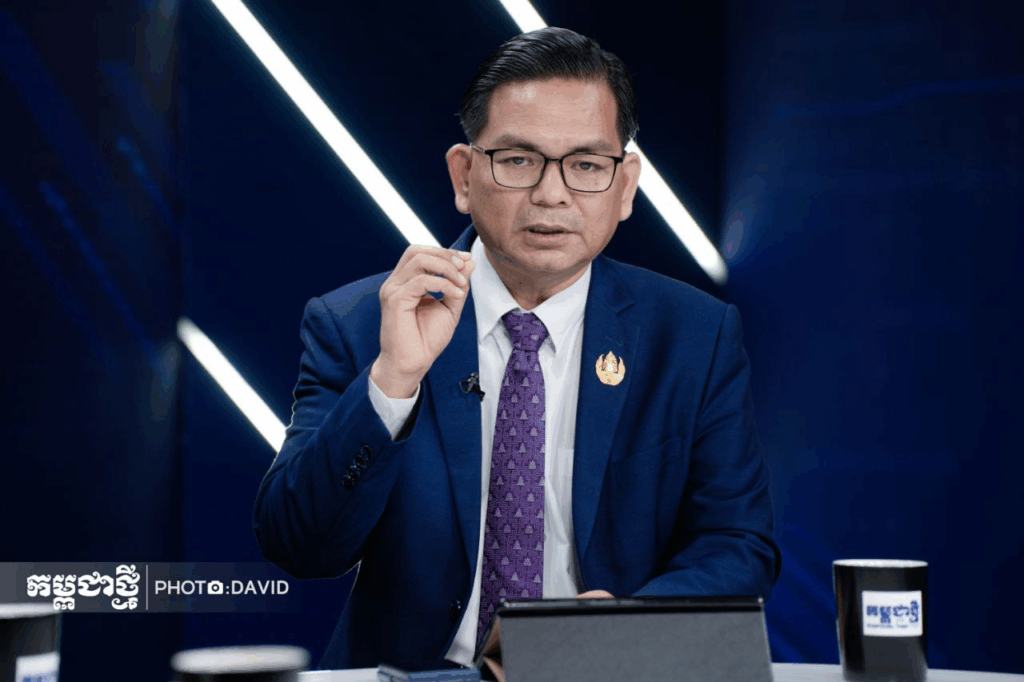
Echoing the call for strategic investment, senior government official Preap Kol said building defense capacity must be a top priority.
“Training must begin with citizens through military service, which will be implemented in 2026,” Kol said. “Professional soldiers need regular training, and we must modernize our weapons to ensure combat readiness. Defense investment must be stronger than ever.”
Despite lingering skepticism, some experts see structural advantages in the accord. Geopolitical analyst Chey Tech said the agreement’s strength lies in the involvement of the United States as its main supporter and witness.
“Even if Thailand resists, the accord compels respect,” Tech said. “With the U.S. and ASEAN members as witnesses, we’ll have international backing, monitors, and technical support to ensure implementation.”
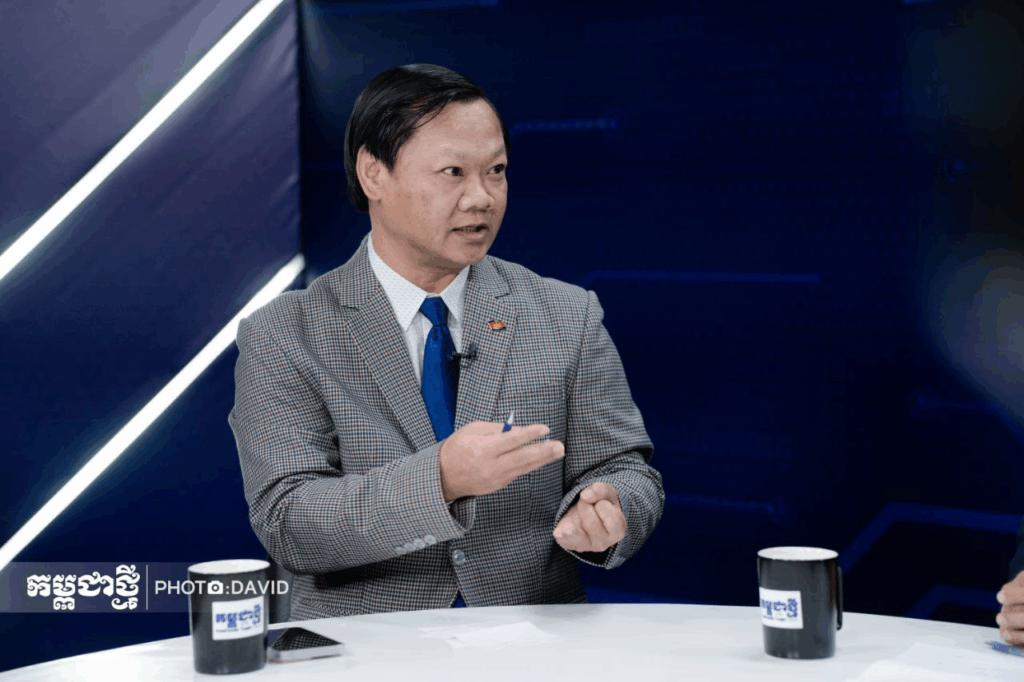
Political geographer Yang Peov emphasized the mutual benefits of peace, noting that Cambodia and Thailand “cannot be separated” and that harmony is essential for development.
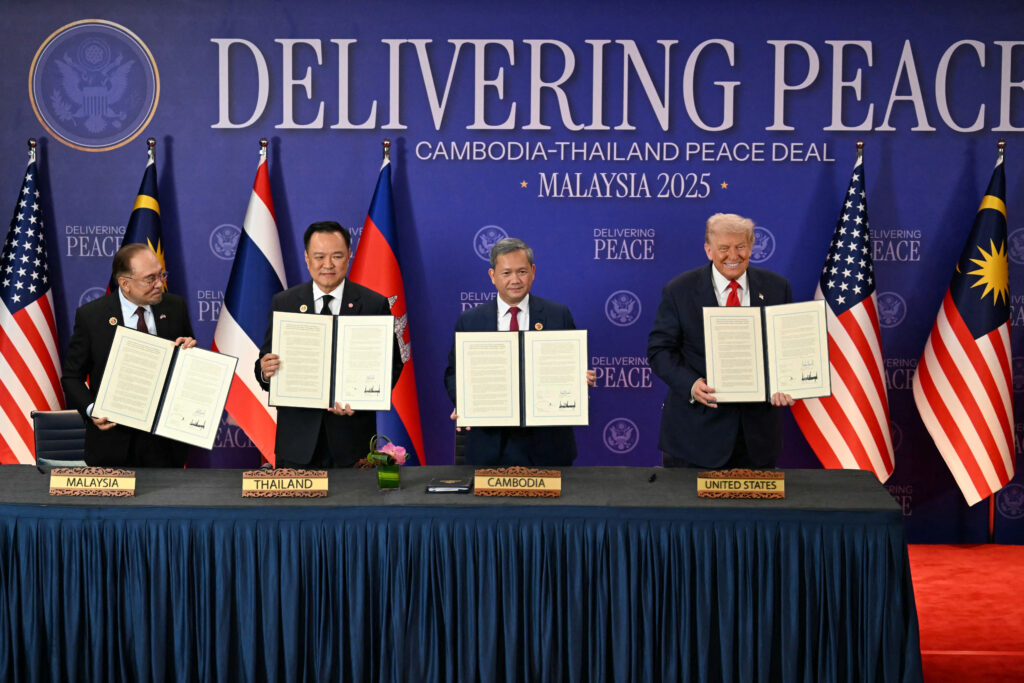
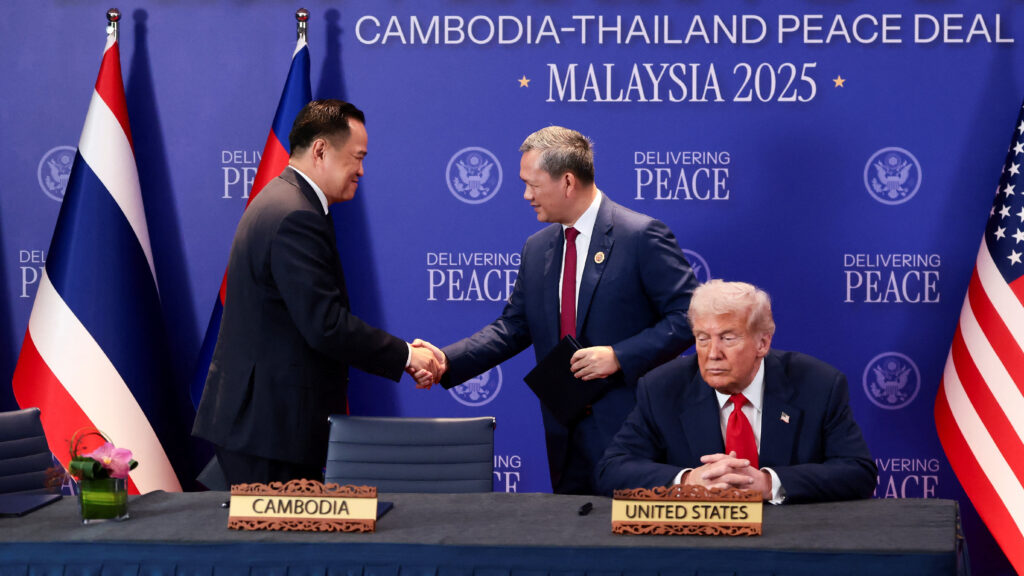
The peace accord was signed Oct. 26 in Kuala Lumpur by Cambodian Prime Minister Hun Manet and Thai Prime Minister Anutin Charnvirakul. U.S. President Donald Trump and Malaysian Prime Minister Anwar Ibrahim served as official witnesses.
By Hun Sirivadh







-
 National2 months ago
Cambodia Expands Free ID Services While Introducing Clear Fee Structure for Administrative Documents
-
 National3 weeks ago
Cambodia proposes trilateral anti‑crime liaison mechanism with Laos, Vietnam
-
 National3 weeks ago
PM Hun Manet to visit China as trade surges and investment deepens
-
 National2 weeks ago
Cambodia says four soldiers injured in border blast, investigation launched
-
 National1 month ago
Samdech Techo Hun Sen Says Cambodia Can Meet Defence Needs Through Domestic Production
-
 National2 weeks ago
Cambodia opens new distribution hub to expand market access for local businesses
-
 Opinion2 months ago
From Connectivity to Resilience: How Japan’s Strategic Shift Could Transform Cambodia’s Next Development Phase
-
 Economy2 months ago
Cambodia Welcomes 1 Million Tourists in Q1, But Arrivals Fall Sharply Amid Regional Pressures