Opinion
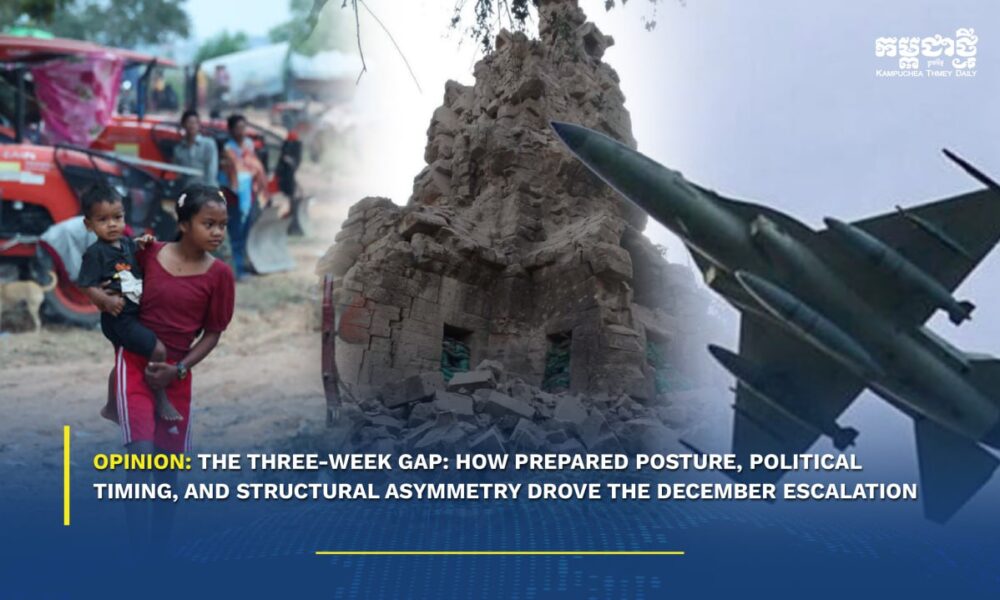
Opinion: The Three-Week Gap: How Prepared Posture, Political Timing, and Structural Asymmetry Drove the December Escalation
By: Anaud Darc, Former President of EuroCham Cambodia
When a crisis breaks along the Thai–Cambodian frontier, the question that matters is rarely who fired first. It is what conditions were already in place before the first shot was exchanged. Seen through that lens, the most striking feature of the December 2025 escalation is not the incident itself, but the three weeks that preceded it. The confrontation did not emerge from a moment. It emerged from an environment.
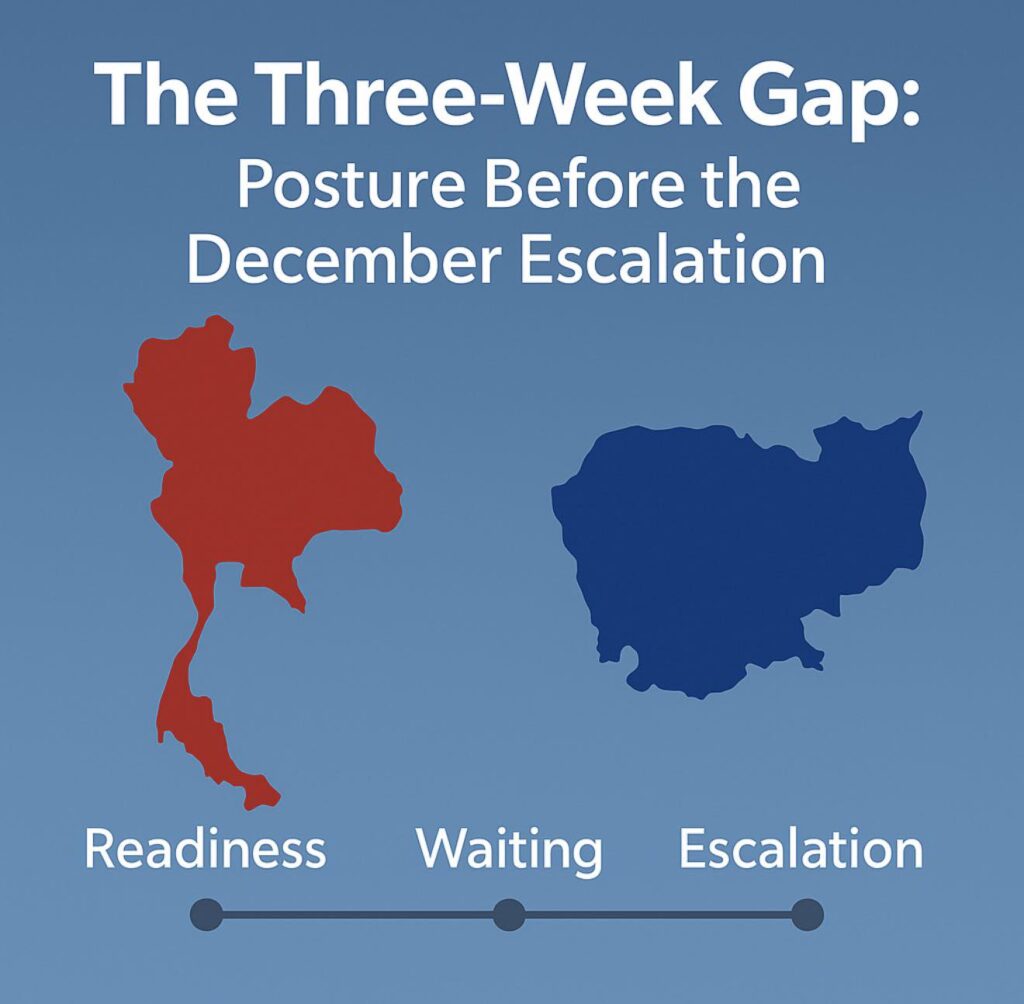
By mid-November, according to official briefings from the Second Army Area, Thai forces along the eastern border had been placed under maximum combat readiness. This posture is not routine. It requires the activation of command channels, the forward positioning of units, and the logistical capacity to sustain operations at short notice. Once such a posture is established, the threshold for escalation lowers dramatically. An incident that might normally be contained at the tactical level can, under these conditions, trigger a rapid and multi-domain response.
What makes this readiness shift notable is that nothing on the Cambodian side at that time justified it. There was no massing of forces, no new threat, no diplomatic rupture. The explanation lies within Thailand. Throughout late 2025, the government faced acute criticism over its flood response, declining approval ratings, and uncertainty surrounding House dissolution. In moments of domestic vulnerability, security issues often gain political utility. They consolidate public sentiment, stabilise fragile coalitions, and redirect political debate. As in previous border crises, elements within the monarchy-linked advisory orbit and the broader conservative establishment reinforced a national security framing that amplified the military’s autonomy along the frontier. In this environment, the incentive to maintain a high level of readiness was political as much as operational.
The result was a structural condition in which escalation became easier than restraint. The readiness posture preceded the trigger. That sequencing matters. It suggests that the decisive question is not why Thailand reacted so strongly, but why it was already configured to do so.
A second element deepens the picture. At the same time readiness was elevated, Thailand entered a phase of heavy-weapons withdrawal under prior bilateral agreements. At first glance, withdrawal and maximum readiness appear contradictory. In practice, they are not. Withdrawal is visible; readiness is not. Heavy systems can be moved away from the frontier while mobile assets, fuel stocks, and command structures remain fully prepared. Large-scale equipment movements also generate logistical activity that can mask parallel preparations by other units. Whether this dual-track effect emerged from deliberate design or from independent bureaucratic processes is less important than its outcome: it created ambiguity while preserving operational flexibility.
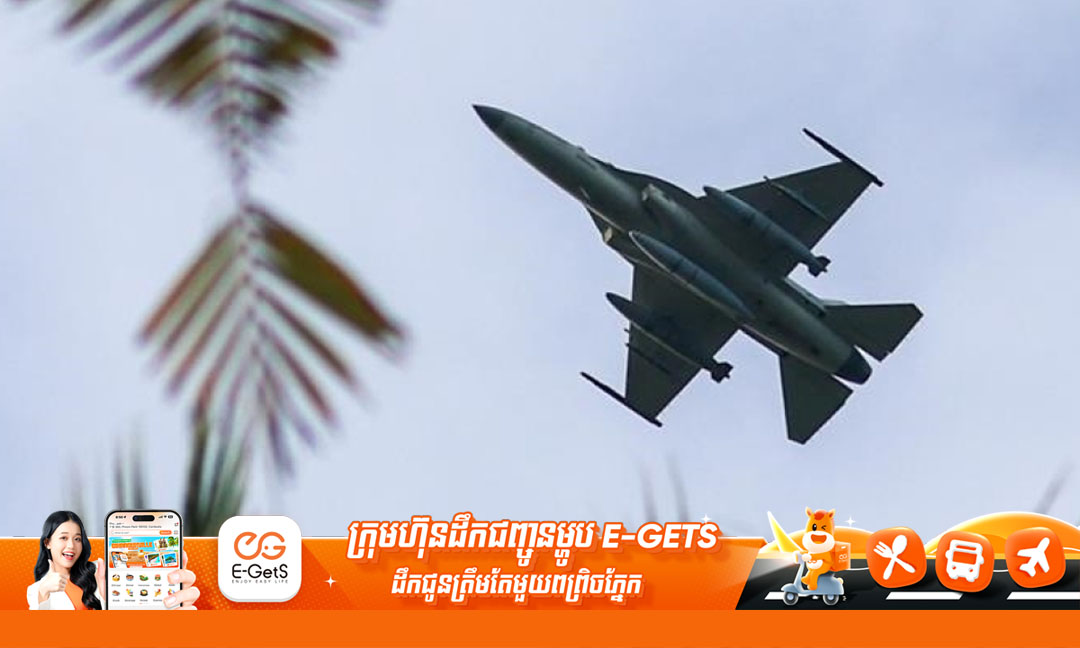
The shift toward operational posture became more discernible in the days just before the clashes. Residents in several northeastern districts reported unusual night-time convoy movements and temporary access restrictions. Maritime associations off Trat noted irregular naval activity, including vessels operating without standard signalling. Flight-tracking observers recorded intensified air activity in sectors not publicly designated for training. Logistics operators supplying military bases in Ubon and Surin reported a noticeable increase in fuel deliveries at the start of December. None of these signals proves offensive intent in isolation. Yet collectively they describe a force moving quietly from general readiness to concrete preparation. They help explain why the Thai response, once triggered, was immediate, coordinated, and large in scale.
Cambodia’s position during this period reveals the opposite logic. Confronted with overwhelming Thai military advantage and aware that no external power was prepared to intervene decisively on its behalf, Phnom Penh’s incentives pointed toward caution. Available reporting suggests that Cambodia monitored the rise in tension but lacked the structural capacity to elevate its own readiness without risking escalation it could not control. Throughout the three-week gap, Cambodia maintained its existing defensive posture, pursued legal and diplomatic avenues, and repeated calls for restraint. This asymmetry, one side free to elevate posture, the other constrained from responding, is central to understanding the dynamics of the December escalation.
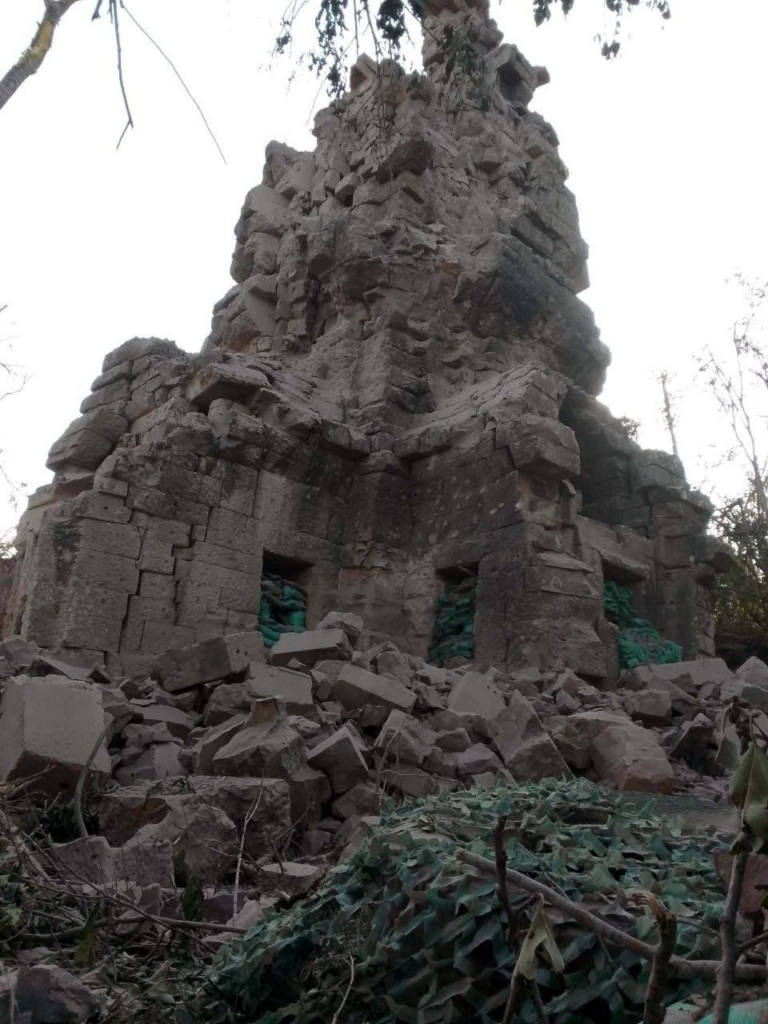
A further element that merits recognition is misperception. Even if Cambodia’s posture remained largely static, minor actions such as reinforced fencing, routine patrol rotations, or sharper official statements may have been interpreted in Bangkok as signals of firmer intent than Phnom Penh believed it was sending. As earlier crises have shown, asymmetry applies not only to capabilities but to perceptions: the stronger side often reads ambiguity as latent hostility, while the weaker side assumes its own restraint is self-evident. This divergence can make escalation more likely even when neither side seeks it.
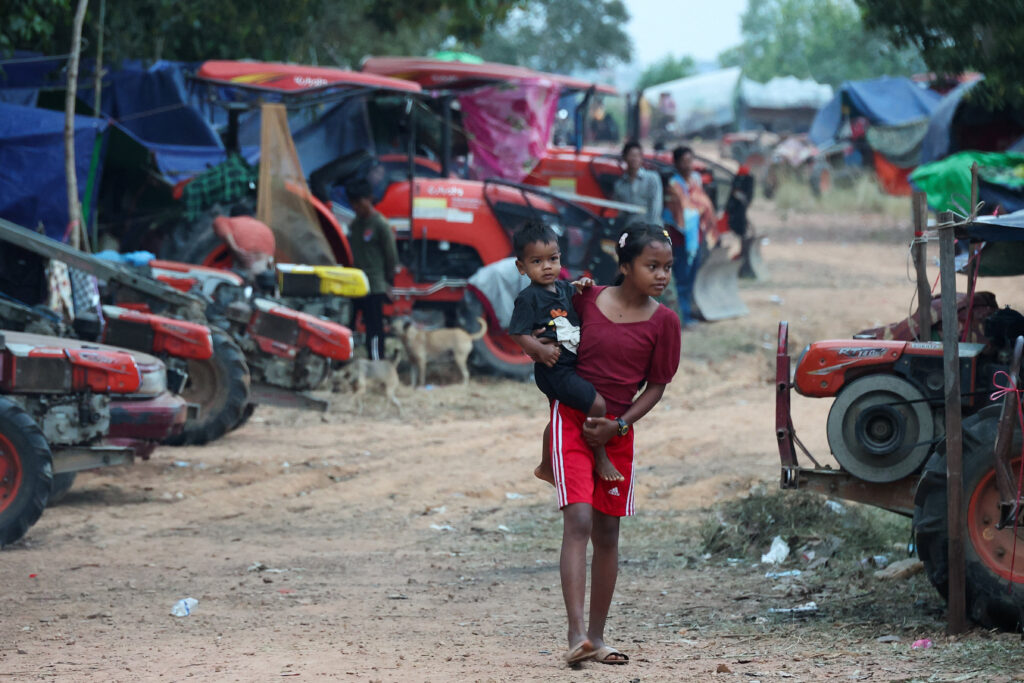
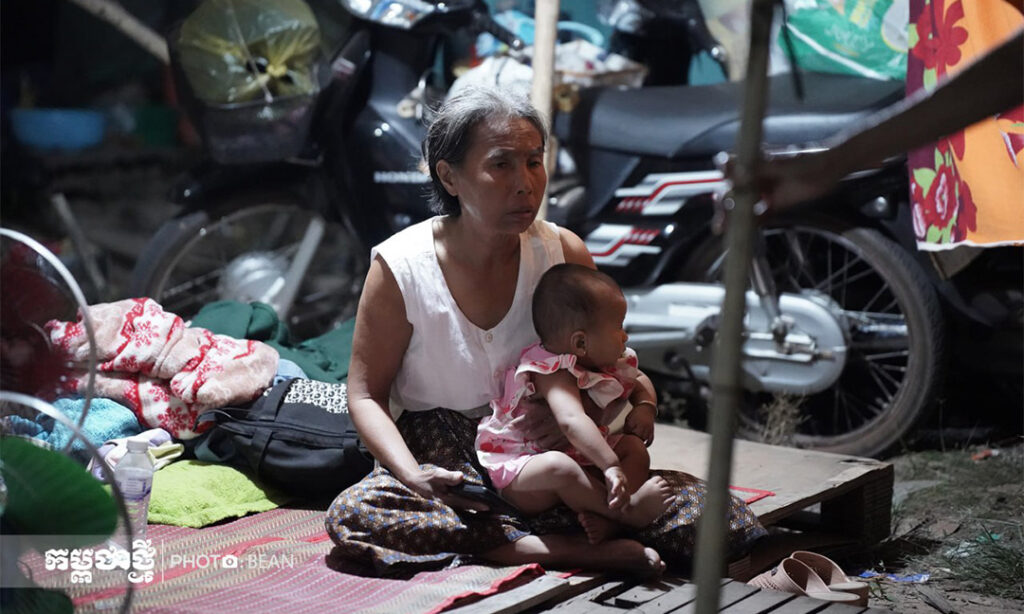
Operational tempo during the confrontation reinforces the preparedness thesis. According to provincial disaster management officials, more than 400,000 civilians were evacuated within roughly 48 hours across several Thai provinces. Such a mobilisation cannot be improvised. It requires pre-identified shelters, pre-positioned supplies, coordinated transport routes, and pre-approved civil–military orders. Similarly, the speed with which Thai air operations and naval movements were executed reflects planning horizons that extend beyond a single day of contact. These behaviours indicate that much of the machinery required for escalation was already in motion before the incident occurred.
These patterns also clarify why diplomatic mechanisms struggled to contain the crisis. ASEAN operates on consensus and dialogue, principles that foster stability in normal periods but impose limits during moments of heightened readiness. More importantly, ASEAN can monitor ceasefires, but it cannot monitor posture. It can observe incidents, not the conditions that make certain incidents decisive. When escalation is shaped by readiness decisions taken weeks earlier, reactive diplomacy becomes structurally insufficient. The three-week gap shows that meaningful early warning requires visibility into posture, not only behaviour.
Taken together, these elements describe a coherent model of the December escalation. Thai domestic pressures and military autonomy lowered the barrier for forceful response. Cambodian constraints channelled behaviour toward caution. Dual-track movements created ambiguity. Pre-escalation signals indicated preparation. Perception gaps amplified risk. ASEAN lacked the instruments to monitor readiness. The incident served as the trigger, but the outcome had been set long before the first artillery round was fired.
The implication is clear. If preparedness, rather than provocation, was the decisive factor, then preventing future crises requires mechanisms that address posture, transparency, and timing. De-escalation cannot rely solely on ceasefires negotiated after hostilities begin. It must include commitments to avoid prolonged periods of elevated readiness, to notify neighbours and regional partners of significant posture changes, and to establish observation mechanisms that provide clarity before conditions deteriorate. Peace depends not only on what happens after a clash, but on what happens long before it.
The people of Thailand and Cambodia do not benefit from cycles of escalation rooted in opaque readiness, misperception, and misaligned incentives. Their interests lie in stability, predictability, and the quiet management of a sensitive border. Understanding the forces that shaped the December crisis does not resolve the conflict, but it does illuminate the structural conditions that make escalation possible, and the reforms required to prevent its recurrence.







-

 National2 months ago
Cambodia Expands Free ID Services While Introducing Clear Fee Structure for Administrative Documents
-
 National3 weeks ago
Cambodia proposes trilateral anti‑crime liaison mechanism with Laos, Vietnam
-
 National3 weeks ago
PM Hun Manet to visit China as trade surges and investment deepens
-
 National2 weeks ago
Cambodia says four soldiers injured in border blast, investigation launched
-
 National1 month ago
Samdech Techo Hun Sen Says Cambodia Can Meet Defence Needs Through Domestic Production
-

 National3 weeks ago
Cambodia opens new distribution hub to expand market access for local businesses
-
 Opinion2 months ago
From Connectivity to Resilience: How Japan’s Strategic Shift Could Transform Cambodia’s Next Development Phase
-
 Economy2 months ago
Cambodia Welcomes 1 Million Tourists in Q1, But Arrivals Fall Sharply Amid Regional Pressures