Opinion
Analyst: Cambodia Welcomes Peace, Thailand Pushes Back
Phnom Penh, Cambodia (Nov. 24, 2025)— Over the weekend, Thai citizens gathered outside the Malaysian and U.S. embassies in Bangkok to protest Malaysian Prime Minister Anwar Ibrahim and U.S. President Donald Trump.
Demonstrators accused Malaysia — the current ASEAN chair — and specifically Anwar and Trump of interfering in Thailand’s internal affairs and favoring Cambodia.
The protests drew international attention, as both Malaysia and the United States played key roles in brokering the cease-fire between Cambodia and Thailand. Their involvement helped stabilize relations between the two nations and contributed to security across the ASEAN region.
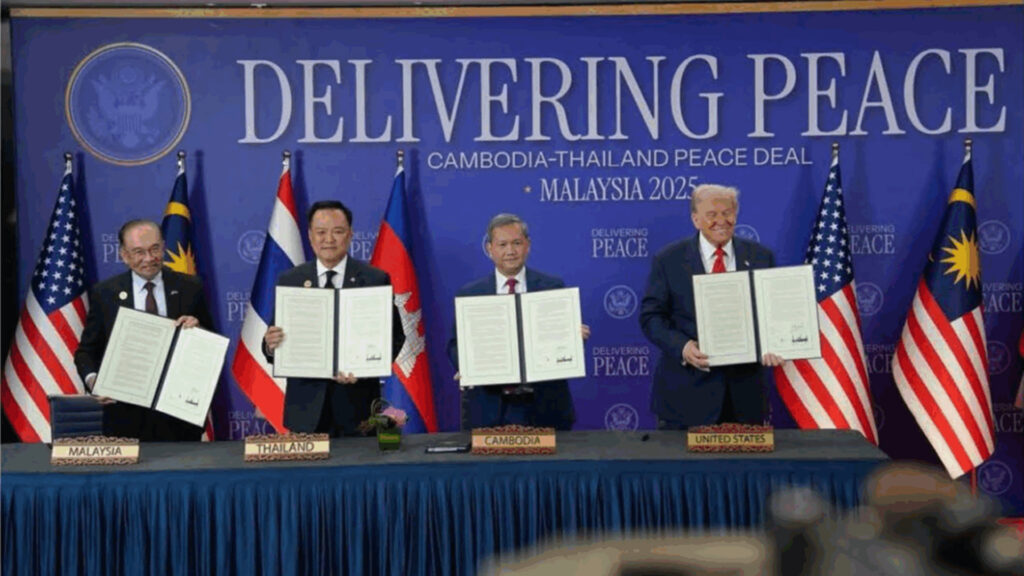
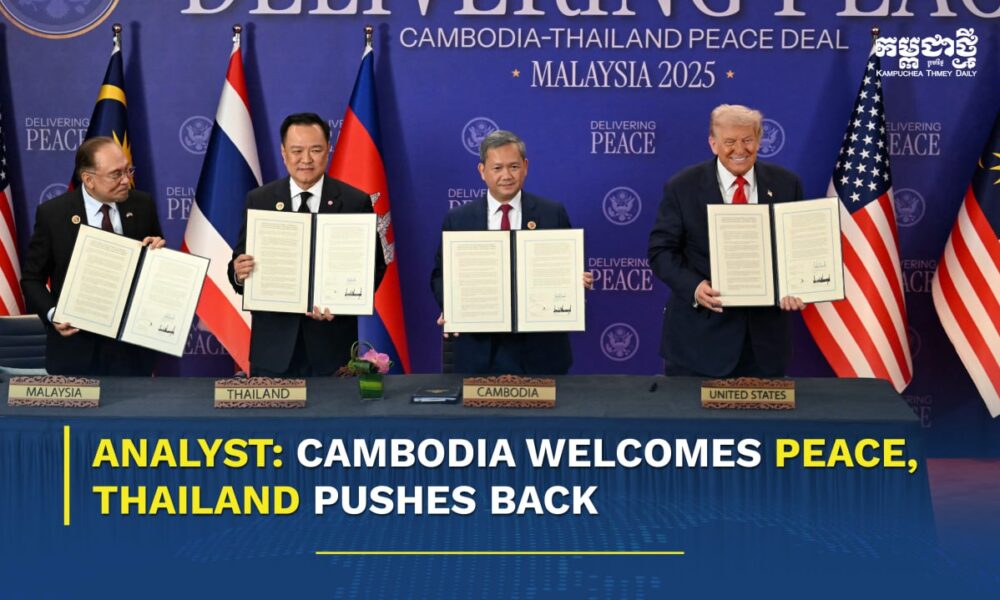
After five days of armed clashes, Cambodia and Thailand agreed to a cease-fire on July 28, 2025, during a special meeting in Putrajaya, Malaysia. The agreement was initiated by Trump and facilitated by Anwar, with support from China. On Oct. 26, 2025, in Kuala Lumpur, the prime ministers of Cambodia and Thailand signed a Joint Peace Declaration, witnessed by Trump and Anwar.
Despite these achievements, some Thai political groups and nationalist factions expressed dissatisfaction. They rejected the cease-fire and the Joint Peace Declaration, showing hostility toward the mediators who helped secure peace.
Cambodian leaders and the public, however, welcomed both agreements. They praised the mediators, particularly Trump and Anwar, for their leadership in reaching the breakthrough.
The contrasting reactions highlight deeper divisions. Observers note that those who value peace will make sacrifices to preserve it, while those who favor conflict often seek to undermine it. Victims of injustice tend to welcome third-party intervention, while perpetrators resist outside involvement. Honest actors embrace transparency and witnesses, while dishonest ones avoid scrutiny.
Cambodia has consistently upheld its commitment to peace, respecting and implementing the agreements while valuing the role of mediators. In contrast, opposition from certain Thai groups suggests they reject peace, third-party involvement, and witnesses — making their intentions clear.
By: Vong Makara, professor and social and political analyst







-
 National2 months ago
Cambodia Expands Free ID Services While Introducing Clear Fee Structure for Administrative Documents
-
 National3 weeks ago
Cambodia proposes trilateral anti‑crime liaison mechanism with Laos, Vietnam
-
 National3 weeks ago
PM Hun Manet to visit China as trade surges and investment deepens
-
 National2 weeks ago
Cambodia says four soldiers injured in border blast, investigation launched
-
 National1 month ago
Samdech Techo Hun Sen Says Cambodia Can Meet Defence Needs Through Domestic Production
-

 National2 weeks ago
Cambodia opens new distribution hub to expand market access for local businesses
-
 Opinion2 months ago
From Connectivity to Resilience: How Japan’s Strategic Shift Could Transform Cambodia’s Next Development Phase
-
 Economy2 months ago
Cambodia Welcomes 1 Million Tourists in Q1, But Arrivals Fall Sharply Amid Regional Pressures