National
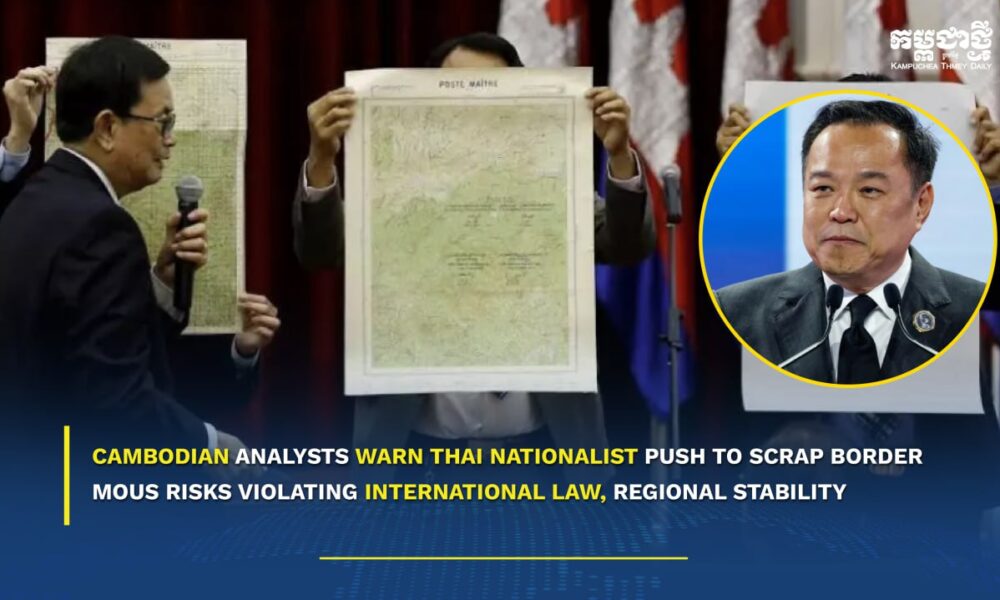
Cambodian Analysts Warn Thai Nationalist Push to Scrap Border MoUs Risks Violating International Law, Regional Stability
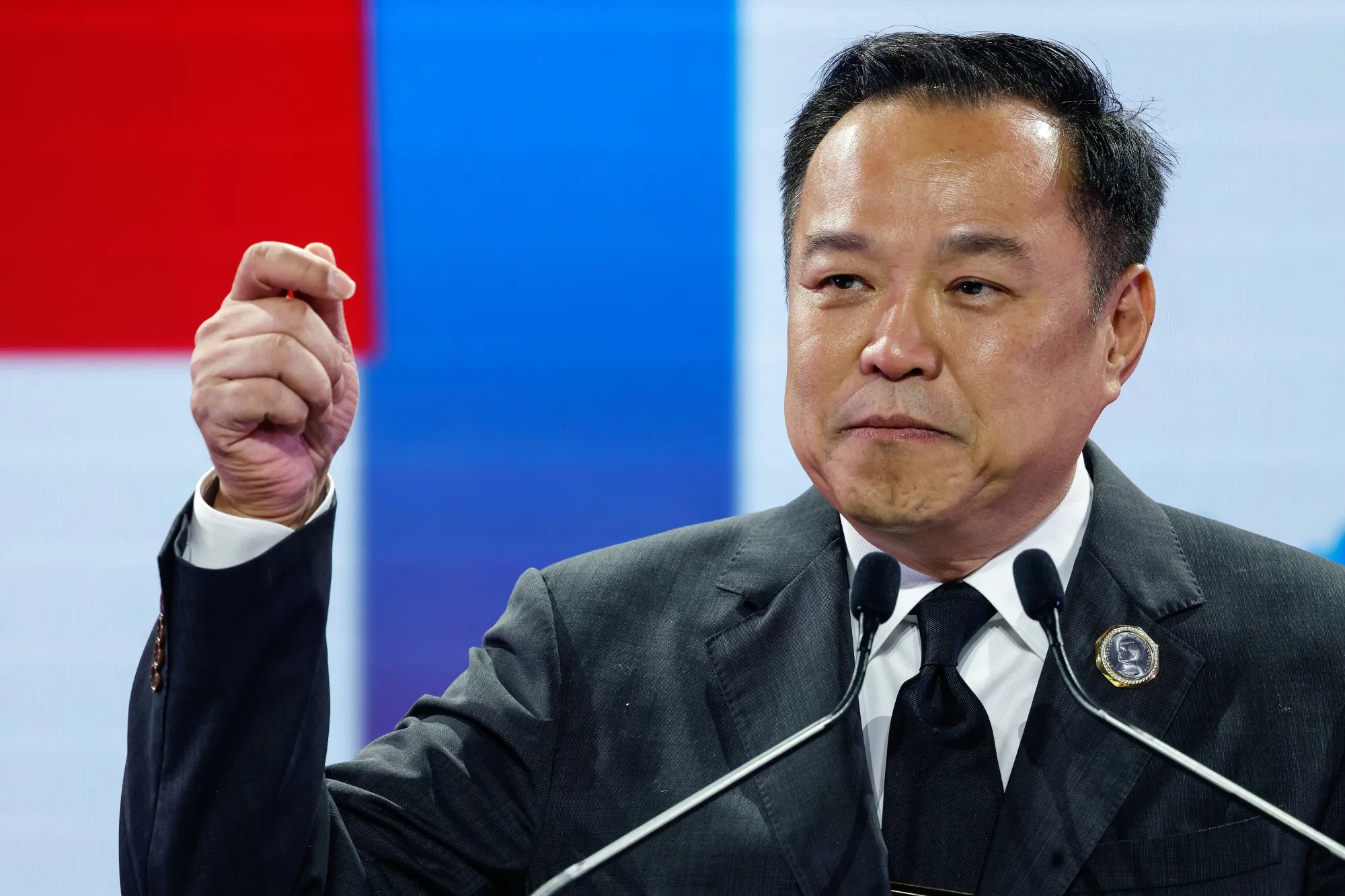
PHNOM PENH, Feb 11, 2026 (KPT)– Cambodian analysts have warned that caretaker Thai Prime Minister Anutin Charnvirakul’s reported plan to scrap long-standing border agreements with Cambodia could breach international law, damage bilateral relations, and reignite tensions along contested frontiers.
Thai media reported that Anutin has instructed officials to prepare for the possible termination of a 2001 memorandum of understanding on overlapping maritime boundaries, citing a lack of progress.
Analysts in Phnom Penh say the move appears politically motivated, with Anutin playing a “nationalist card” to consolidate support after his party’s election victory.
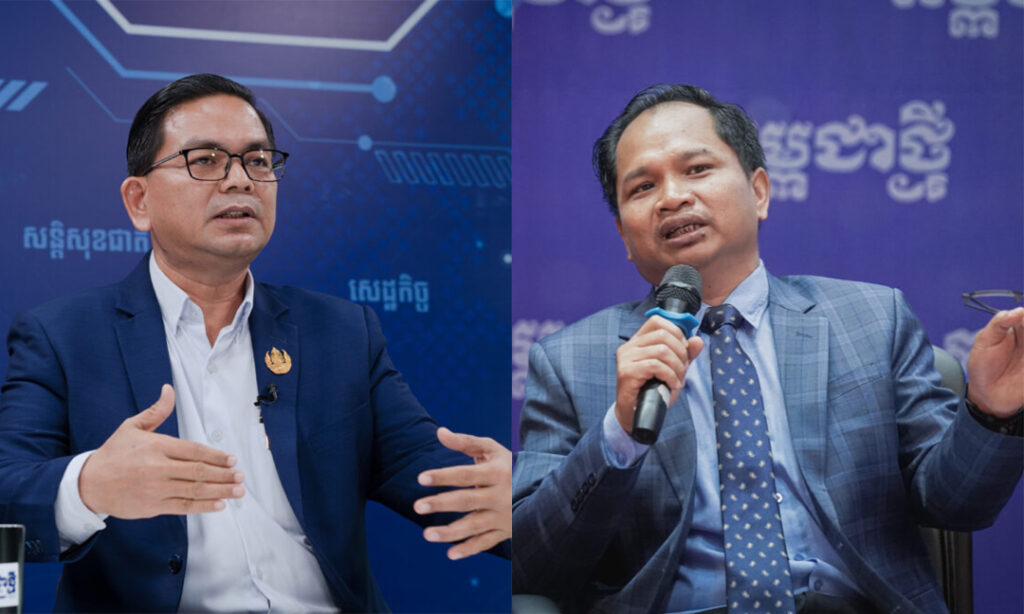
Yang Peou, a Cambodian political analyst, said the MoU was registered with the United Nations and cannot be unilaterally revoked.
“This agreement is recognized under international law, and both sides are obliged to implement it in accordance with agreed principles,” he said, warning that unilateral withdrawal would undermine international order.
Kin Phea, Director-General of the International Relations Institute at the Royal Academy of Cambodia, echoed those concerns, noting that the 2000 and 2001 MoUs are governed by the Vienna Convention on the Law of Treaties.
“Unilateral withdrawal is not permitted unless explicitly stated in the treaty itself, which the MoU does not allow,” he said.
Phea warned that Cambodia could seek recourse through the International Court of Justice and request UN intervention if Thailand proceeded.
He added that scrapping the agreements could undo years of diplomatic progress, jeopardize oil and gas exploration in overlapping maritime zones, and portray Thailand as disregarding international norms.
The MoUs, rooted in earlier Franco-Siamese treaties of 1904 and 1907, were designed to facilitate peaceful border demarcation and strengthen cooperation.
Analysts cautioned that replacing them with unilateral maps could reignite disputes and threaten regional peace.
Former Thai prime minister Abhisit Vejjajiva has also urged caution, warning that proposals to hold a referendum on the MoUs could expose sensitive Thai information.
Opposition leader Natthaphong Ruengpanyawut has called for the plans to be withdrawn, arguing that complex international legal matters fall under government responsibility.
It remains unclear when or how the incoming Thai government will formally proceed, but Cambodian analysts say any unilateral action would carry serious diplomatic and legal consequences.

-
 National2 months ago
Cambodia Expands Free ID Services While Introducing Clear Fee Structure for Administrative Documents
-
 National4 weeks ago
Cambodia proposes trilateral anti‑crime liaison mechanism with Laos, Vietnam
-
 National3 weeks ago
PM Hun Manet to visit China as trade surges and investment deepens
-

 National3 weeks ago
Cambodia says four soldiers injured in border blast, investigation launched
-
 National1 month ago
Samdech Techo Hun Sen Says Cambodia Can Meet Defence Needs Through Domestic Production
-

 National3 weeks ago
Cambodia opens new distribution hub to expand market access for local businesses
-
 Opinion2 months ago
From Connectivity to Resilience: How Japan’s Strategic Shift Could Transform Cambodia’s Next Development Phase
-
 Economy2 months ago
Cambodia’s Labor Market Set to Add 445,000 Jobs in 2026 as Industry and Services Drive Growth