Economy
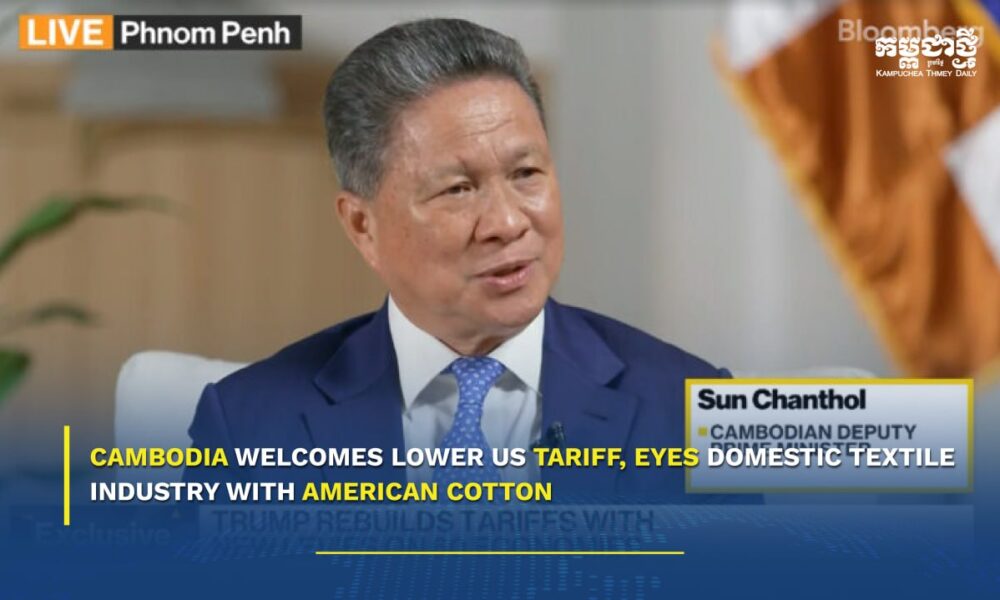
Cambodia Welcomes Lower US Tariff, Eyes Domestic Textile Industry With American Cotton
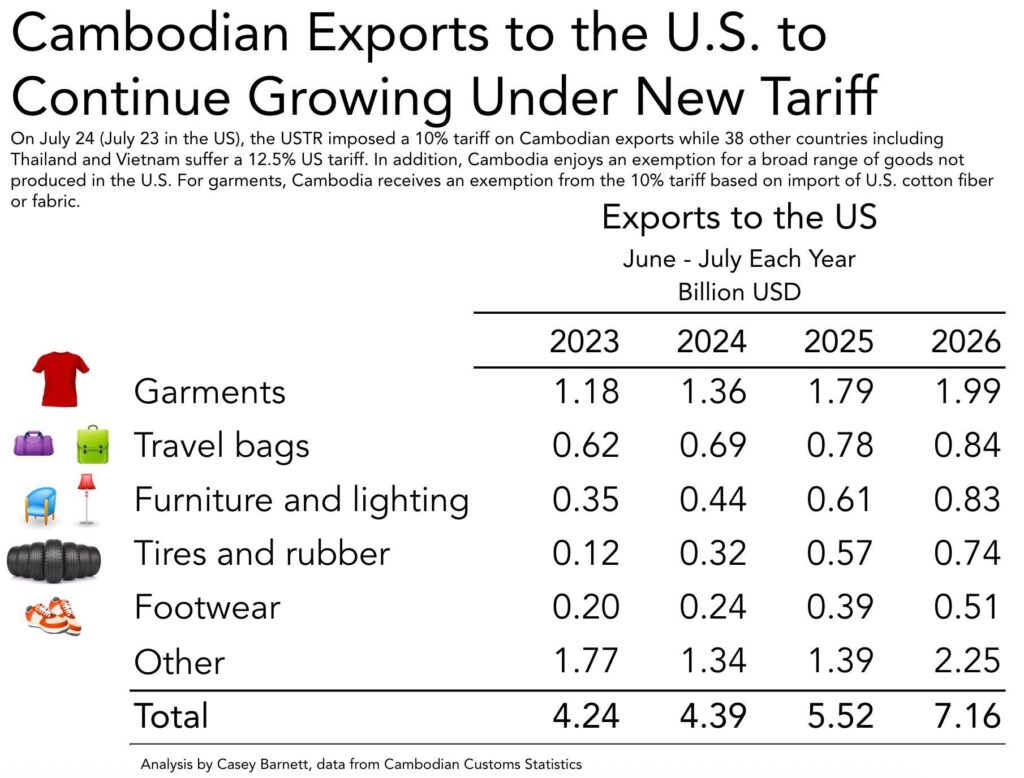
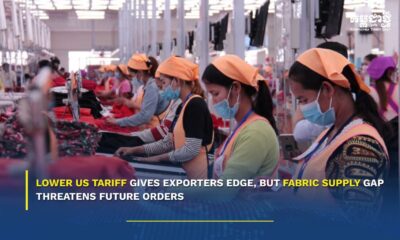
PHNOM PENH, July 24, 2026 (KPT) – Cambodia welcomed Washington’s decision to impose a lower tariff on its exports under Section 301 trade measures, while looking to capitalize on the policy by developing a domestic textile industry using American cotton to move further up the garment value chain.
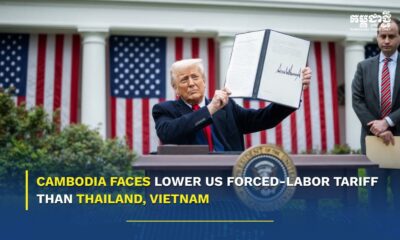
Deputy Prime Minister Sun Chanthol, who led trade negotiations with the United States, said the government was “very pleased” that Cambodia received a 10 percent tariff under the forced labor component of Section 301, lower than the 12.5 percent imposed on some regional competitors.
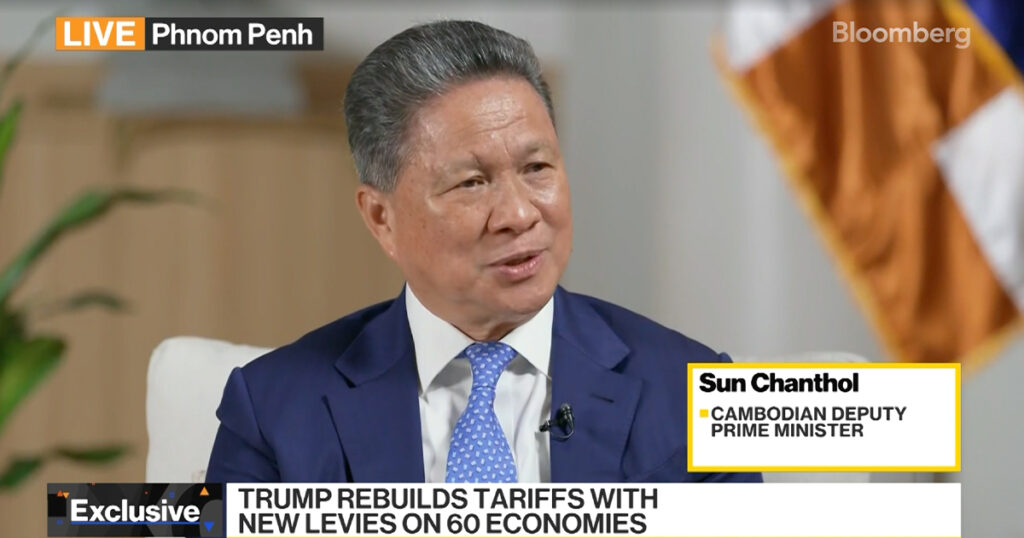
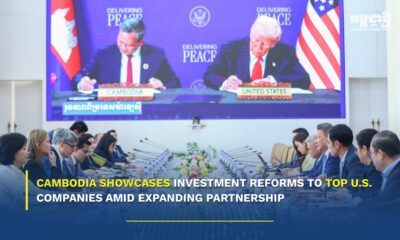
Chanthol told Bloomberg that Cambodia expects a second tariff component related to excess industrial capacity to remain below 9 percent, keeping the combined rate at or below the level agreed under the bilateral Agreement on Reciprocal Trade signed last year. “USTR committed to honor what they signed with us and we are committed to honor what we signed with the United States,” he said.
Looking beyond tariff relief, Chanthol said Cambodia plans to leverage a proposed three‑year tariff‑rate quota arrangement encouraging imports of US cotton for domestic textile production. “If Cambodia can import cotton from the US to make fabric, we are likely to benefit from a lower or zero tariff,” he said.
He added that while no Special Economic Zone has been designated for US cotton, private investors would be welcomed to establish textile facilities. Cambodia’s liberal investment regime, including tax holidays and full foreign ownership, remains attractive, he said.
Chanthol stressed the broader ambition of transforming Cambodia into a regional manufacturing and logistics hub, diversifying beyond labor‑intensive industries into electronics, automotive and food processing.








-
 National2 months ago
Cambodia Expands Free ID Services While Introducing Clear Fee Structure for Administrative Documents
-
 National3 weeks ago
Cambodia proposes trilateral anti‑crime liaison mechanism with Laos, Vietnam
-
 National3 weeks ago
PM Hun Manet to visit China as trade surges and investment deepens
-

 National3 weeks ago
Cambodia says four soldiers injured in border blast, investigation launched
-

 National1 month ago
Samdech Techo Hun Sen Says Cambodia Can Meet Defence Needs Through Domestic Production
-
 National3 weeks ago
Cambodia opens new distribution hub to expand market access for local businesses
-
 Opinion2 months ago
From Connectivity to Resilience: How Japan’s Strategic Shift Could Transform Cambodia’s Next Development Phase
-
 National2 months ago
Cambodia’s Defence Budget Rise Reflects Modernisation Strategy Without Cutting Social Spending