Economy
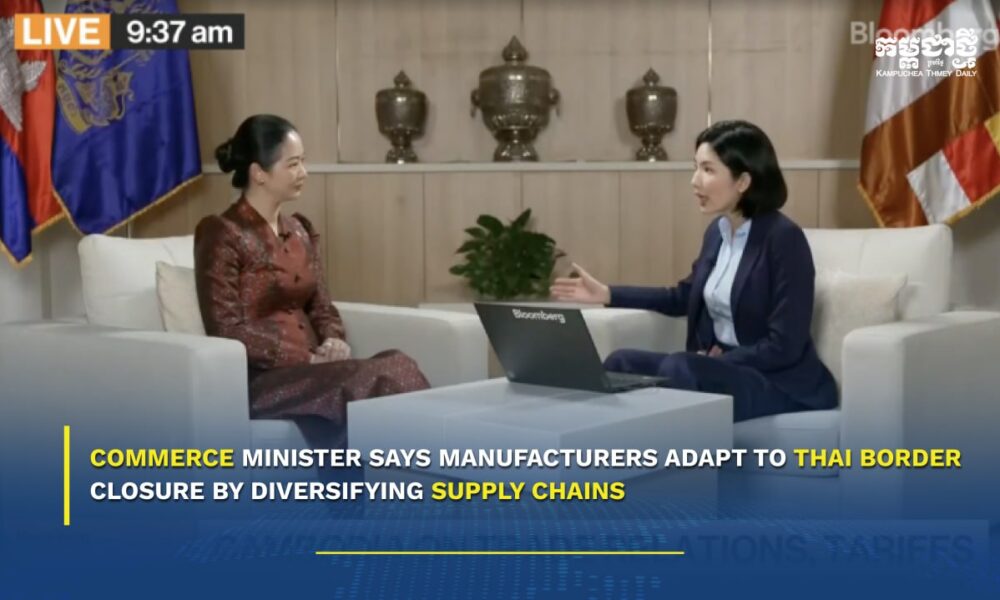
Commerce Minister Says Manufacturers Adapt to Thai Border Closure by Diversifying Supply Chains
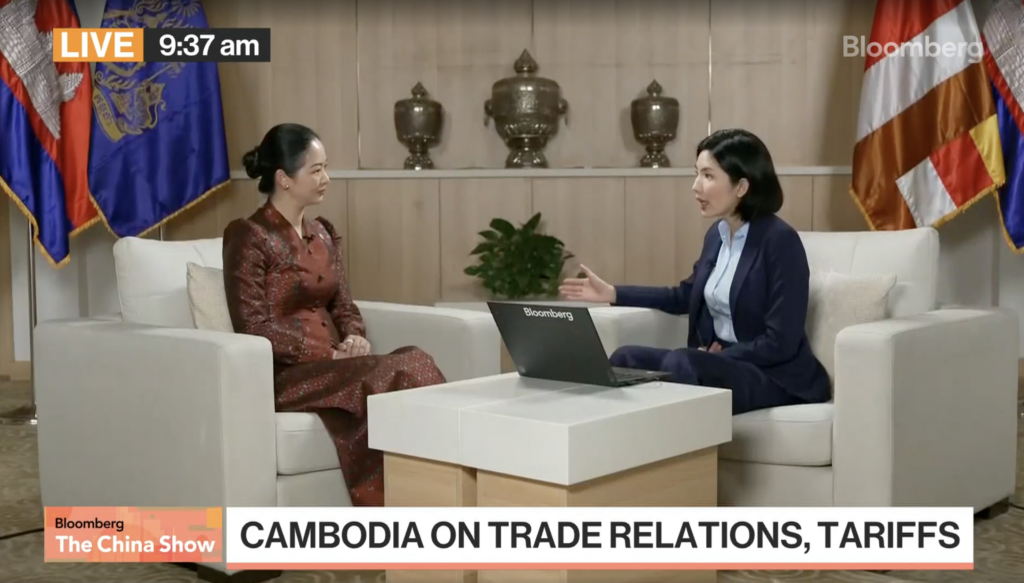
PHNOM PENH, July 24, 2026 (KPT) – Cambodian manufacturers have adapted to disruptions caused by Thailand’s unilateral land border closure by diversifying transport routes, expanding sourcing options and strengthening domestic supply chains, Commerce Minister Cham Nimul said Friday.
Speaking in an interview with Bloomberg, Nimul said the restrictions, in place for about a year, have not derailed export growth as businesses quickly adjusted their logistics networks. “It has been one year despite the fact that land borders have been unilaterally closed by the Thai side,” she said.
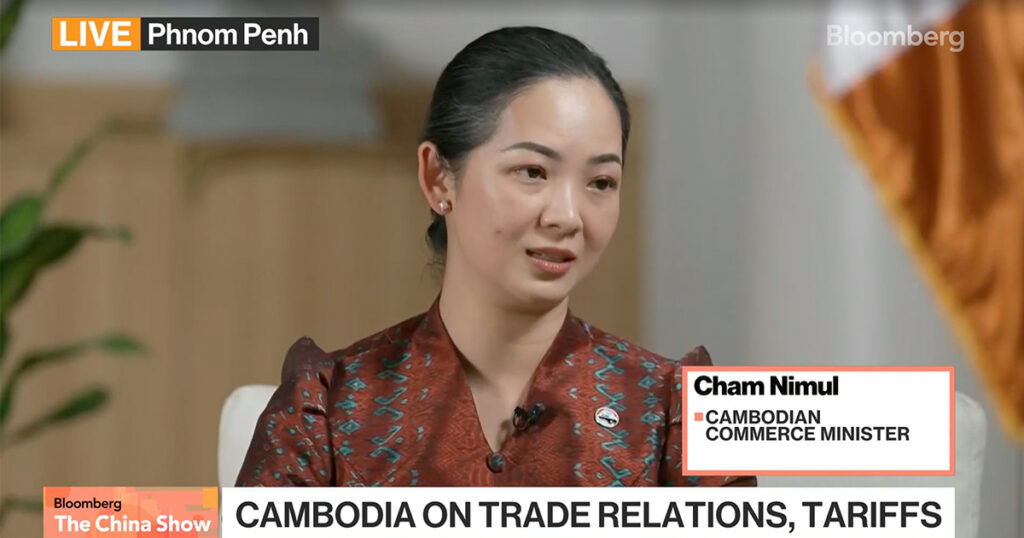
Although land crossings remain restricted, goods continue to move through seaports and airports, while businesses increasingly rely on alternative corridors through Vietnam and Laos. “Thailand has always been Cambodia’s plus‑one corridor, but Cambodia has many other corridors that we are working on,” Nimul said.
She added that trade routes are “reconfiguring themselves” as importers diversify suppliers and logistics channels. “Our importing markets have been serving us well, and many other trading partners have been able to lock into agreements with each other,” she said.
Nimul noted that manufacturers are also sourcing more raw materials domestically as part of efforts to deepen vertical integration. “What’s important is that we are sourcing more from domestic sources right now. That’s what we are actually deeply integrating within,” she said.
While acknowledging Thailand remains the nearest and most cost‑effective supplier, Nimul said manufacturers have shown resilience by widening their sourcing base. She pointed to continued export growth despite the disruption as evidence of competitiveness.
The diversification drive forms part of Cambodia’s broader strategy to strengthen supply chain resilience ahead of graduation from Least Developed Country status in 2029. Nimul said the government is accelerating customs modernization, trade facilitation and regulatory reforms to improve the business environment and help companies respond more quickly to external shocks.
“LDC graduation is not the finish line. It is a milestone,” she said. “The next phase of growth is strengthening domestic competitiveness and integrating Cambodia even more deeply into the global economy.”










-
 National2 months ago
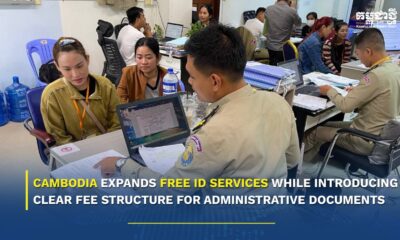
Cambodia Expands Free ID Services While Introducing Clear Fee Structure for Administrative Documents
-
 National3 weeks ago
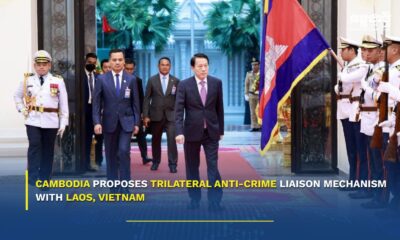
Cambodia proposes trilateral anti‑crime liaison mechanism with Laos, Vietnam
-
 National3 weeks ago
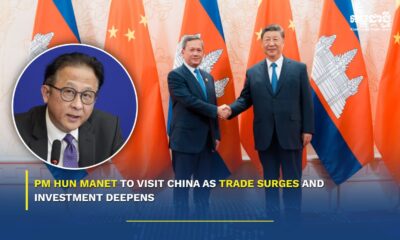
PM Hun Manet to visit China as trade surges and investment deepens
-

 National3 weeks ago
Cambodia says four soldiers injured in border blast, investigation launched
-

 National1 month ago
Samdech Techo Hun Sen Says Cambodia Can Meet Defence Needs Through Domestic Production
-
 National3 weeks ago
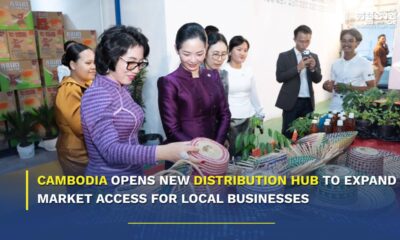
Cambodia opens new distribution hub to expand market access for local businesses
-
 Opinion2 months ago
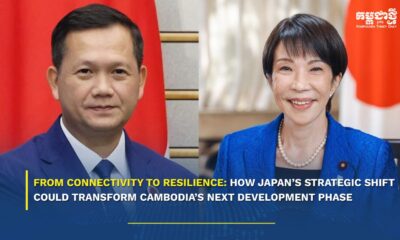
From Connectivity to Resilience: How Japan’s Strategic Shift Could Transform Cambodia’s Next Development Phase
-
 National2 months ago
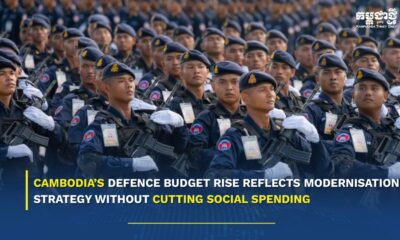
Cambodia’s Defence Budget Rise Reflects Modernisation Strategy Without Cutting Social Spending