Politics
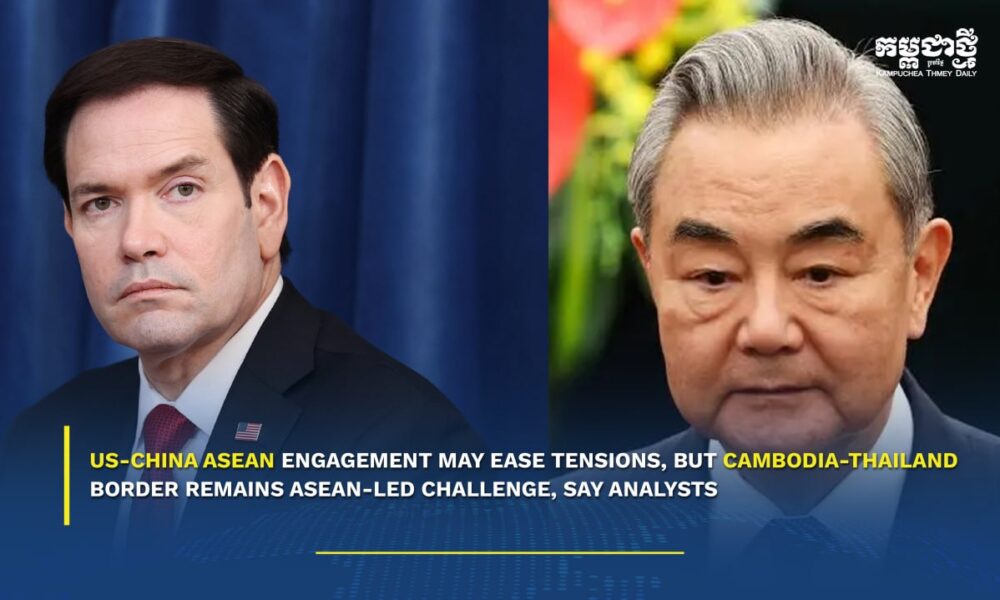
US‑China ASEAN Engagement May Ease Tensions, But Cambodia‑Thailand Border Remains ASEAN‑Led Challenge, Say Analysts
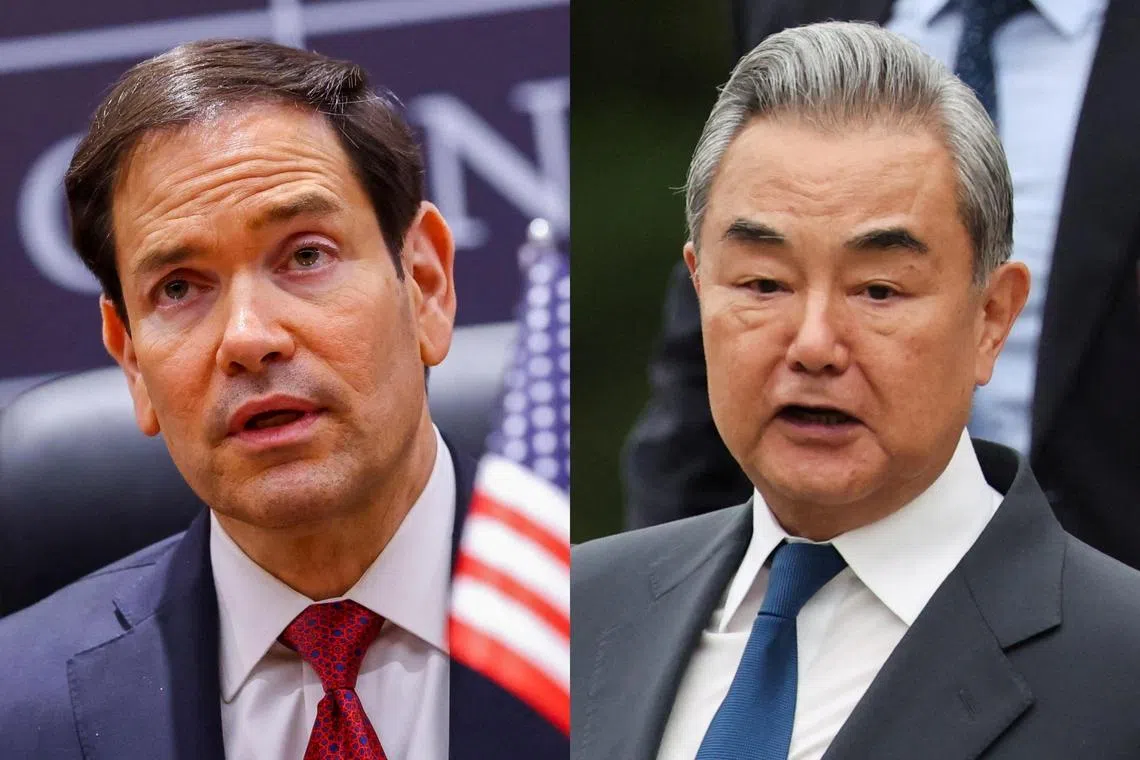
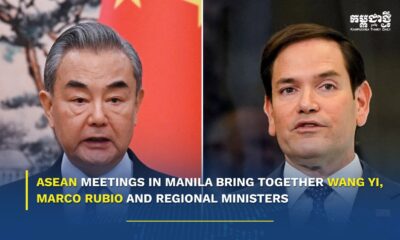
PHNOM PENH, July 24, 2026 (KPT) – The parallel presence of U.S. Secretary of State Marco Rubio and Chinese Foreign Minister Wang Yi at the ASEAN Foreign Ministers’ Meeting in Manila underscores Southeast Asia’s rising importance in global diplomacy.
Analysts say their engagement may help manage competition and reduce risks of miscalculation, but it is unlikely to deliver immediate breakthroughs on major disputes or directly resolve the Cambodia‑Thailand border issue.
Thong Mengdavid, lecturer at the Royal University of Phnom Penh, said ASEAN’s centrality is reinforced by the participation of both Washington and Beijing.
“While major breakthroughs on Taiwan or the South China Sea are unlikely, their engagement helps manage U.S.‑China competition, maintain open communication, and reduce the risk of miscalculation,” he told KPT English.
He added that ASEAN provides diplomatic space for Cambodia and Thailand to exercise restraint and avoid escalation.
Geopolitical analyst Gnel Rattha said Rubio and Wang’s presence creates a diplomatic “safety floor” but neither side will compromise on sovereignty claims.
“ASEAN states rely on China for economic growth and the U.S. for security hedging, keeping the region in a delicate strategic balance,” he said.
Rattha noted that Washington and Beijing are unlikely to intervene directly in the Cambodia‑Thailand border dispute, treating it as a localized issue.

Instead, ASEAN’s role is to act as a neutral buffer, enforcing ceasefires, supporting humanitarian relief, and encouraging bilateral talks through mechanisms such as the Joint Boundary Commission.
Rubio reaffirmed Washington’s long‑term commitment to ASEAN, announcing billions of dollars in investments and pledging cooperation in energy security, critical minerals and civil nuclear programmes.
“The future and the story of the 21st century will be written in this region,” he said. Wang Yi, meanwhile, emphasized China’s partnership with ASEAN, highlighting achievements under the Comprehensive Strategic Partnership and calling for stronger cooperation amid global uncertainty.
Both analysts say the parallel engagement by Washington and Beijing demonstrates ASEAN’s importance as a diplomatic platform where competing powers seek influence while avoiding confrontation.
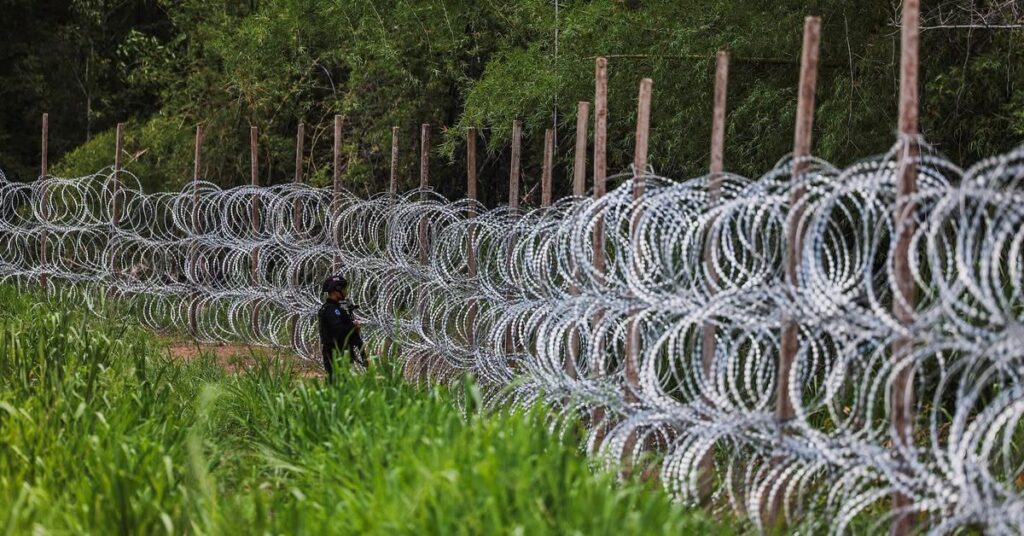
For Cambodia and Thailand, however, the immediate path to easing tensions remains dependent on bilateral dialogue, confidence‑building measures, and ASEAN’s ability to provide a neutral environment for peaceful engagement.
While the ASEAN meeting may not deliver a direct solution to the border dispute, experts believe sustained diplomatic communication among regional and global powers can help prevent escalation and preserve stability in Southeast Asia.
The Cambodia‑Thailand issue remains a test of ASEAN’s ability to manage localized disputes while balancing the strategic rivalry between Washington and Beijing.








-

 National2 months ago
Cambodia Expands Free ID Services While Introducing Clear Fee Structure for Administrative Documents
-
 National3 weeks ago
Cambodia proposes trilateral anti‑crime liaison mechanism with Laos, Vietnam
-
 National3 weeks ago
PM Hun Manet to visit China as trade surges and investment deepens
-

 National3 weeks ago
Cambodia says four soldiers injured in border blast, investigation launched
-

 National1 month ago
Samdech Techo Hun Sen Says Cambodia Can Meet Defence Needs Through Domestic Production
-

 National3 weeks ago
Cambodia opens new distribution hub to expand market access for local businesses
-
 Opinion2 months ago
From Connectivity to Resilience: How Japan’s Strategic Shift Could Transform Cambodia’s Next Development Phase
-
 National2 months ago
Cambodia’s Defence Budget Rise Reflects Modernisation Strategy Without Cutting Social Spending