National
Analysis: Colonial era treaties put France at centre of Cambodia–Thailand border dispute
PHNOM PENH, Feb 10, 2026 (KPT) – Cambodian analysts say France could play a pivotal role in resolving the long running border dispute with Thailand, pointing to colonial era treaties signed more than a century ago that continue to shape the conflict.
Political science expert Kin Phea noted that France, which ruled Cambodia for nearly 90 years, was responsible for treaties signed with Thailand between 1904 and 1907.
“French intervention in the border issue would be significant and could mark another chapter in history,” he said. “It would also reflect pressure from the international community and international law mechanisms that Thailand has been reluctant to pursue.”
Phea stressed that Cambodia has consistently sought peaceful solutions, arguing that any documents provided by France would strengthen Cambodia’s legal case and reinforce its commitment to lasting peace.
Another analyst, Yang Peou, welcomed the government’s decision to formally request border related documents from Paris, calling it an important diplomatic step.
He said France was a witness to Cambodian history and the wider Indochina region, particularly in relation to the Cambodia–Thailand frontier.
Peou pointed out that between 1904 and 1920, France and Thailand adopted treaties and maps and carried out border demarcation, which Thailand accepted at the time.
He argued that any military action against Cambodia would contradict those agreements and “amount to an insult to Thailand’s own historical decisions and former leaders.”
He added that Thailand has sought to reinterpret or dismiss the treaties, and said French involvement could help break the deadlock.
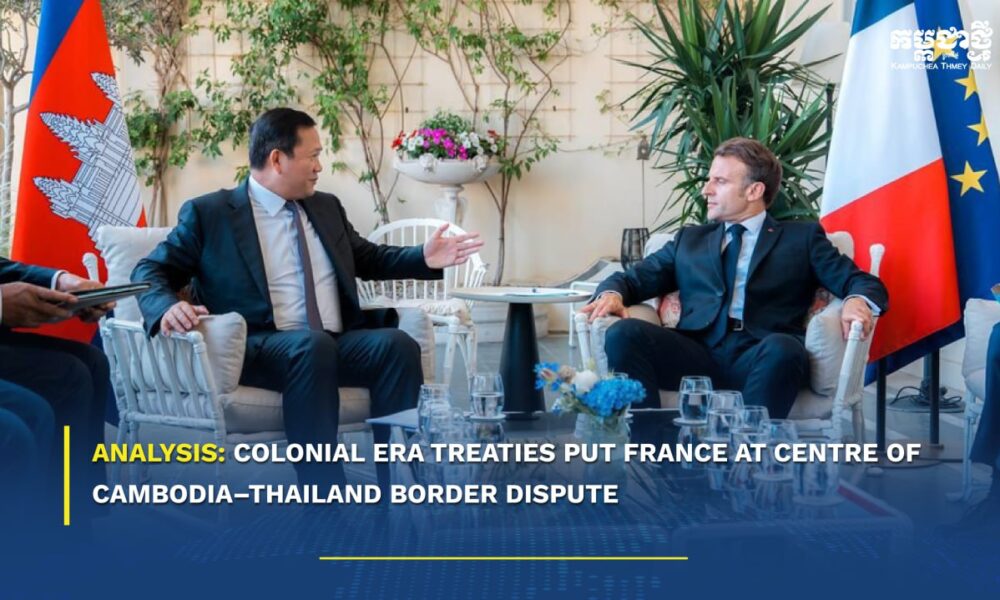
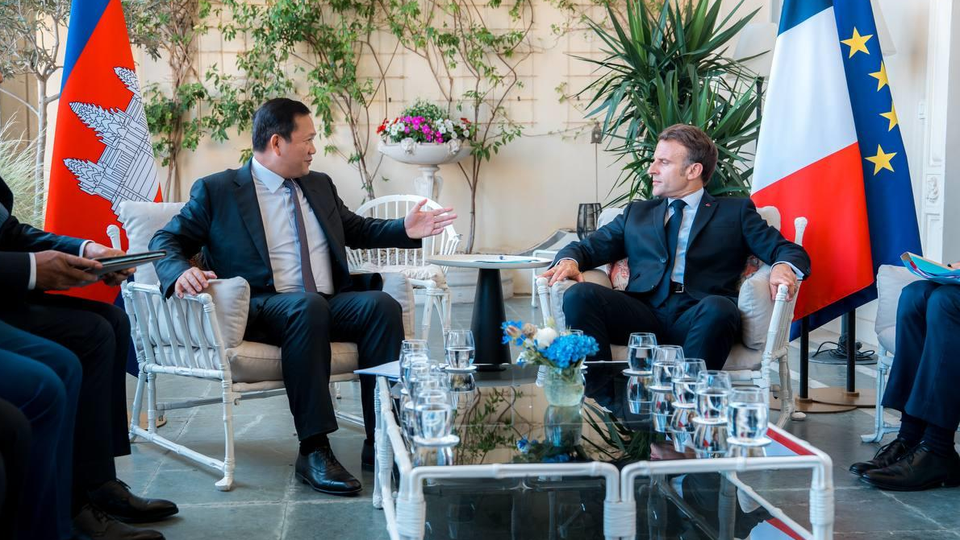
On February 4, Prime Minister Hun Manet wrote to French President Emmanuel Macron requesting access to historical and technical documents from the Protectorate era, as well as technical expertise and advisory support.
The premier stressed Cambodia’s commitment to resolving the dispute peacefully and without force.

Speaking at a ceremony on February 10, Samdech Thipadei Hun Manet reaffirmed that international law and dialogue remain Cambodia’s only path to lasting peace and stability.
“Solving border issues based on international law and peaceful means is the Cambodian government’s firm stance, and it will not change,” he declared.
The Interior Ministry reported this week that more than 86,000 people remain displaced despite a ceasefire agreed in late December, with schools and health facilities still closed in several provinces.
Officials said nearly 560,000 displaced residents have returned home, but essential services remain disrupted.



-
 National2 months ago
Cambodia Expands Free ID Services While Introducing Clear Fee Structure for Administrative Documents
-
 National4 weeks ago
Cambodia proposes trilateral anti‑crime liaison mechanism with Laos, Vietnam
-
 National3 weeks ago
PM Hun Manet to visit China as trade surges and investment deepens
-
 National3 weeks ago
Cambodia says four soldiers injured in border blast, investigation launched
-

 National1 month ago
Samdech Techo Hun Sen Says Cambodia Can Meet Defence Needs Through Domestic Production
-

 National3 weeks ago
Cambodia opens new distribution hub to expand market access for local businesses
-
 Opinion2 months ago
From Connectivity to Resilience: How Japan’s Strategic Shift Could Transform Cambodia’s Next Development Phase
-

 Economy2 months ago
Cambodia’s Labor Market Set to Add 445,000 Jobs in 2026 as Industry and Services Drive Growth