National
Cambodia-Thailand Border Tensions: Analysts Say Conflict Was Unilaterally Declared by Thailand, Warn of Wider Risks
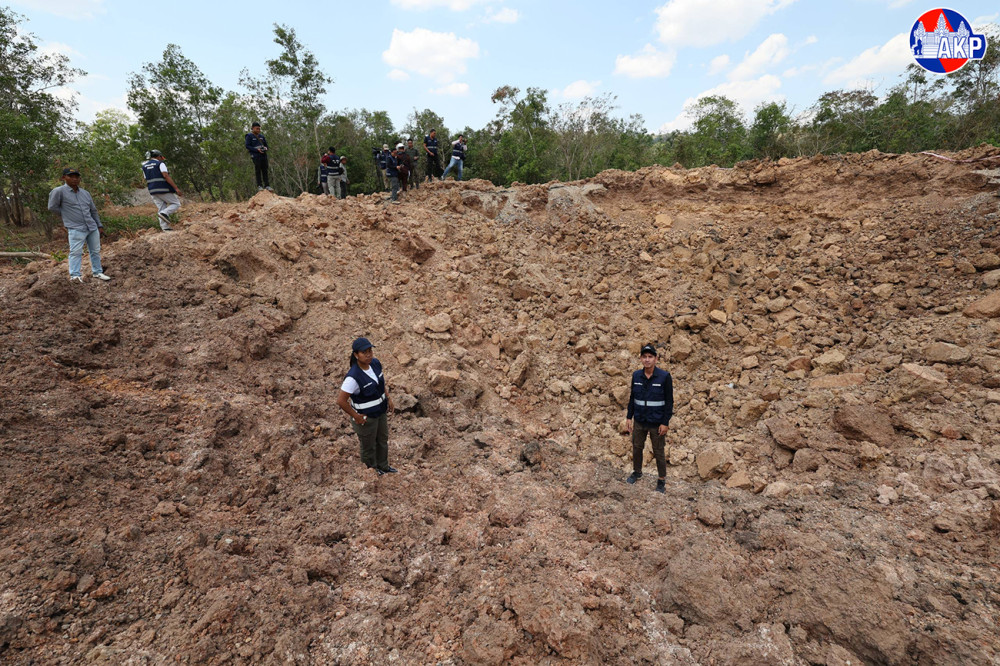
PHNOM PENH, Feb 5, 2026 (KPT) – Cambodian analysts argue that recent clashes along the frontier with Thailand were initiated unilaterally by Bangkok, stressing that Cambodia has never agreed to armed confrontation and remains committed to peaceful resolution under international law.
Political analyst Yang Peou said both outbreaks of fighting were declared by Thailand without Cambodia’s consent, describing the situation as “a unilateral declaration of war.”
He noted that Cambodia’s response has been limited to defending territorial integrity and protecting citizens, while maintaining its stance of seeking solutions through lawful mechanisms.
Peou warned that without the December 27 ceasefire, the conflict could have escalated into full-scale war, potentially displacing millions.
He said the fighting had already caused widespread stress among civilians, with more than 500,000 people returning home since the truce, while over 95,000 remain in camps.
“If there had been no ceasefire, the war would have expanded further, and we would not have been able to endure it,” he said.
Another expert, Kin Phea, rejected claims that accepting the ceasefire reflected weakness or submission. He argued the decision was a strategic choice to safeguard lives and avoid national catastrophe, calling it “mature and prudent.”
“Accepting and maintaining a ceasefire does not constitute surrender,” he said. “Rather, it is a change in strategy in dealing with an invading enemy.”
Both analysts emphasized that Cambodia’s policy is rooted in peace and development, and that critics who equate ceasefire with cowardice misunderstand the realities of governance.
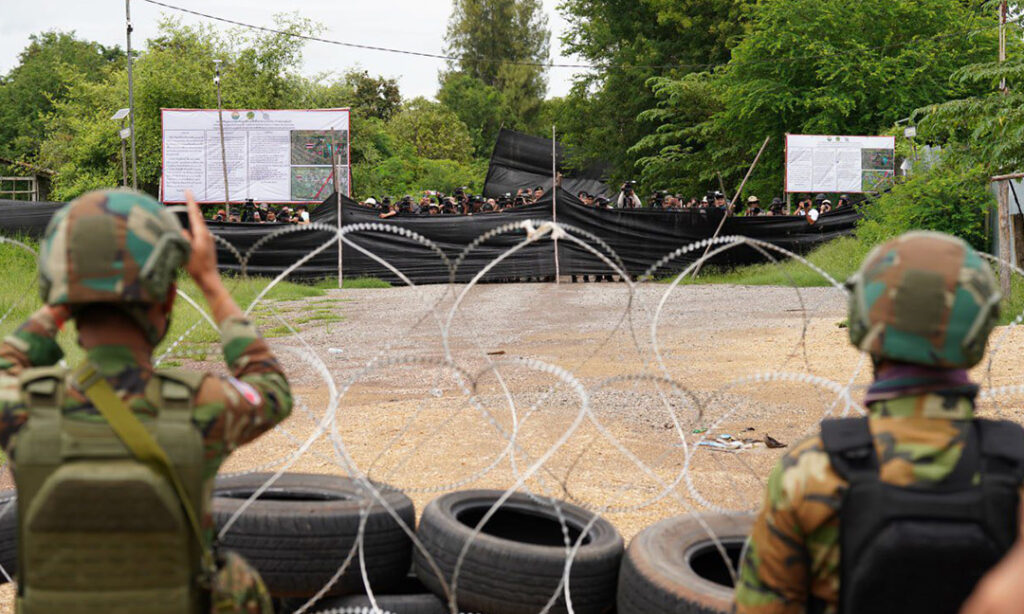
Peou added that those who dismiss the truce fail to grasp the art of statecraft, which requires balancing sovereignty with civilian protection.
The Interior Ministry reported Thursday that nearly 550,000 displaced people have returned home since the ceasefire, marking significant progress in recovery.
Yet more than 95,000 remain in camps, with schools, health facilities and infrastructure still disrupted in several provinces.
Analysts say the episode underscores Cambodia’s reliance on diplomacy and international law to prevent escalation, while highlighting the risks of unilateral military actions in a region where stability remains fragile.


-
 National2 months ago
Cambodia Expands Free ID Services While Introducing Clear Fee Structure for Administrative Documents
-
 National4 weeks ago
Cambodia proposes trilateral anti‑crime liaison mechanism with Laos, Vietnam
-
 National3 weeks ago
PM Hun Manet to visit China as trade surges and investment deepens
-
 National3 weeks ago
Cambodia says four soldiers injured in border blast, investigation launched
-
 National1 month ago
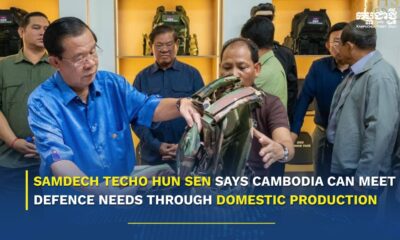
Samdech Techo Hun Sen Says Cambodia Can Meet Defence Needs Through Domestic Production
-

 National3 weeks ago
Cambodia opens new distribution hub to expand market access for local businesses
-
 Opinion2 months ago
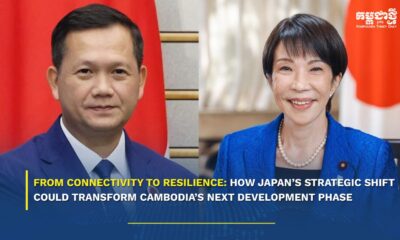
From Connectivity to Resilience: How Japan’s Strategic Shift Could Transform Cambodia’s Next Development Phase
-

 Economy2 months ago
Cambodia’s Labor Market Set to Add 445,000 Jobs in 2026 as Industry and Services Drive Growth