National
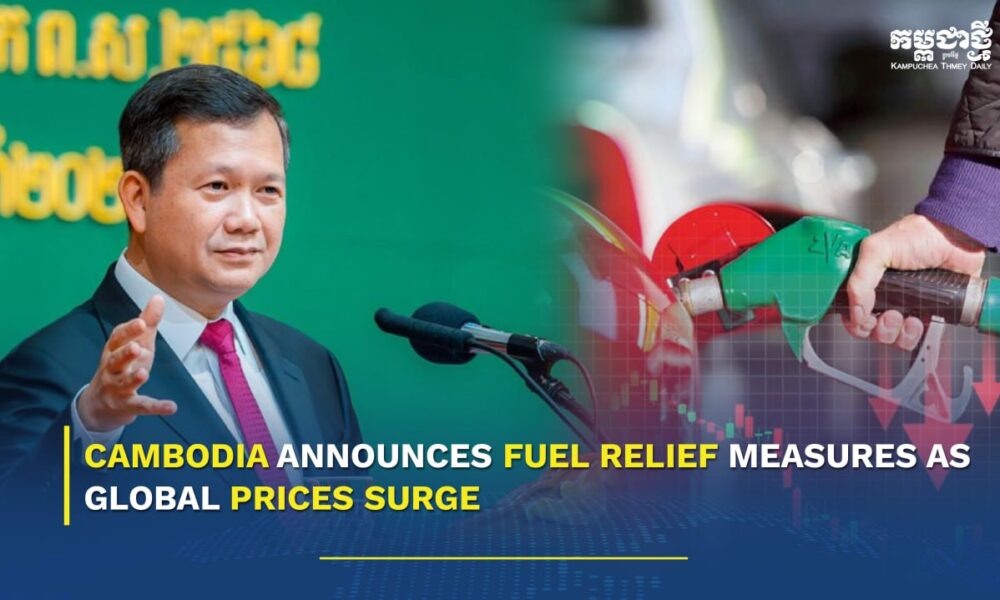
Cambodia announces fuel relief measures as global prices surge
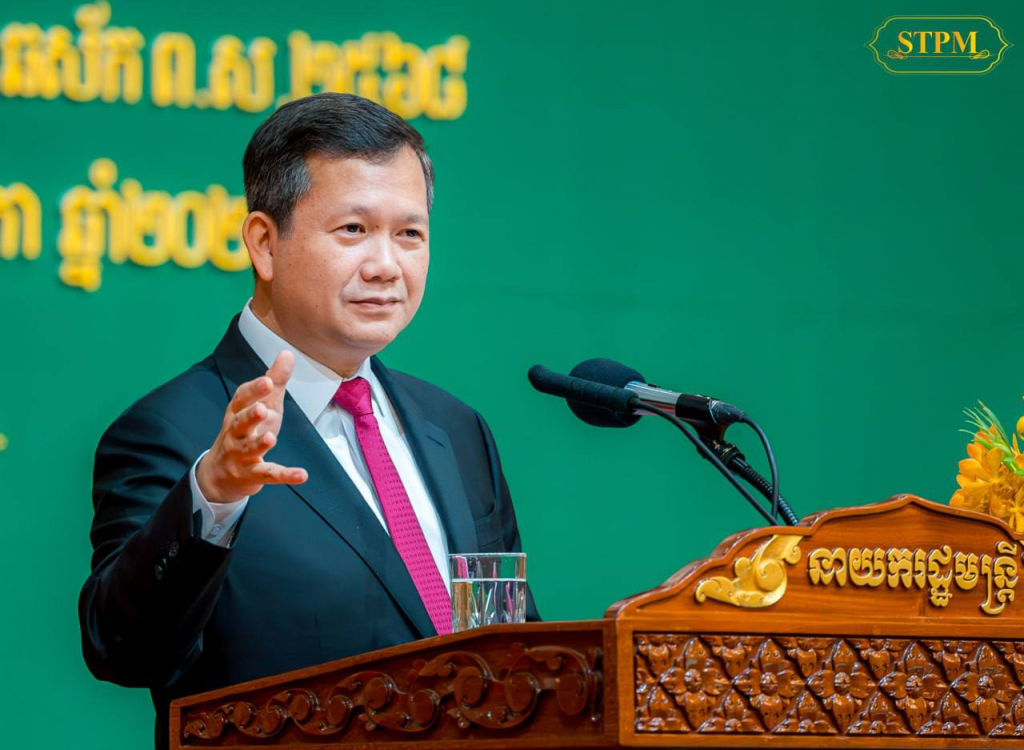
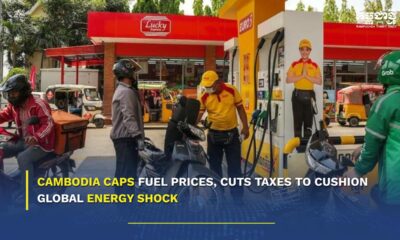
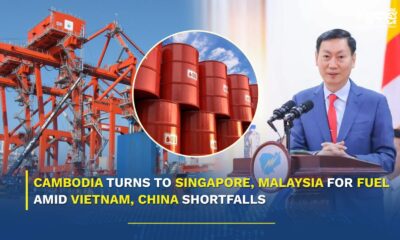
PHNOM PENH, March 21, 2026 (AFP) – Cambodia’s Prime Minister Samdech Thipadei Hun Manet has unveiled a package of fuel relief measures to cushion households and businesses from soaring global oil prices driven by conflict in the Middle East.
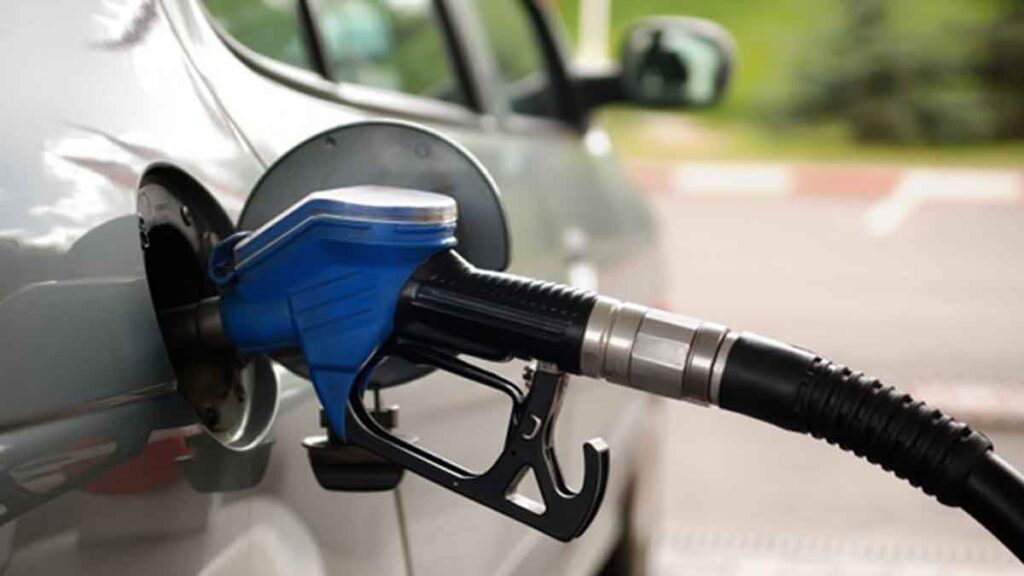
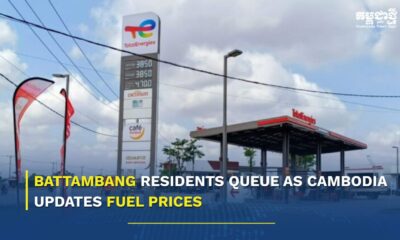
The government said it had already cut pump prices by 6.5 US cents per litre, with an additional one‑cent reduction triggered if international petrol exceeds $90 a barrel and diesel tops $100. Import duties on fuel have also been scrapped.
On March 20, Samdech Thipadei Hun Manet announced further steps, including reducing additional taxes on petrol and diesel to zero, abolishing the 4% special tax on diesel, and lowering value‑added tax on fuel from 10% to 4%. The remaining 6% will be absorbed by the state budget.
Authorities pledged to monitor global energy markets and introduce further interventions if needed.
Separately, garment workers will receive a temporary monthly travel allowance of $2.50 from April 1, following an urgent meeting of the National Minimum Wage Council chaired by Labour Minister Heng Sour.
The allowance, agreed by representatives of government, employers and unions, will remain in place until fuel prices stabilise.









-
 National2 months ago
Cambodia Expands Free ID Services While Introducing Clear Fee Structure for Administrative Documents
-
 National3 weeks ago
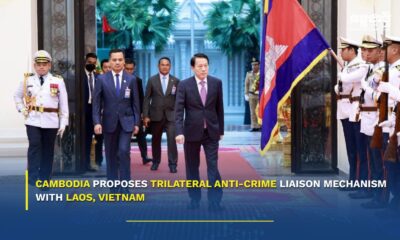
Cambodia proposes trilateral anti‑crime liaison mechanism with Laos, Vietnam
-
 National2 weeks ago
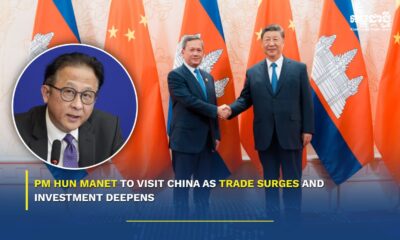
PM Hun Manet to visit China as trade surges and investment deepens
-

 National2 weeks ago
Cambodia says four soldiers injured in border blast, investigation launched
-

 National1 month ago
Samdech Techo Hun Sen Says Cambodia Can Meet Defence Needs Through Domestic Production
-

 National2 weeks ago
Cambodia opens new distribution hub to expand market access for local businesses
-
 Opinion2 months ago
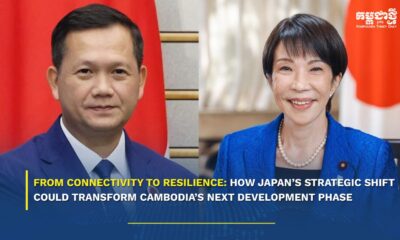
From Connectivity to Resilience: How Japan’s Strategic Shift Could Transform Cambodia’s Next Development Phase
-
 Economy2 months ago
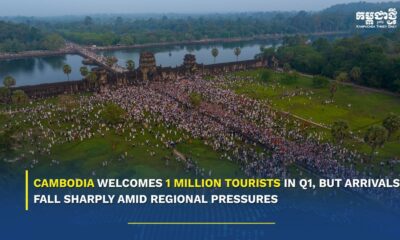
Cambodia Welcomes 1 Million Tourists in Q1, But Arrivals Fall Sharply Amid Regional Pressures