Politics
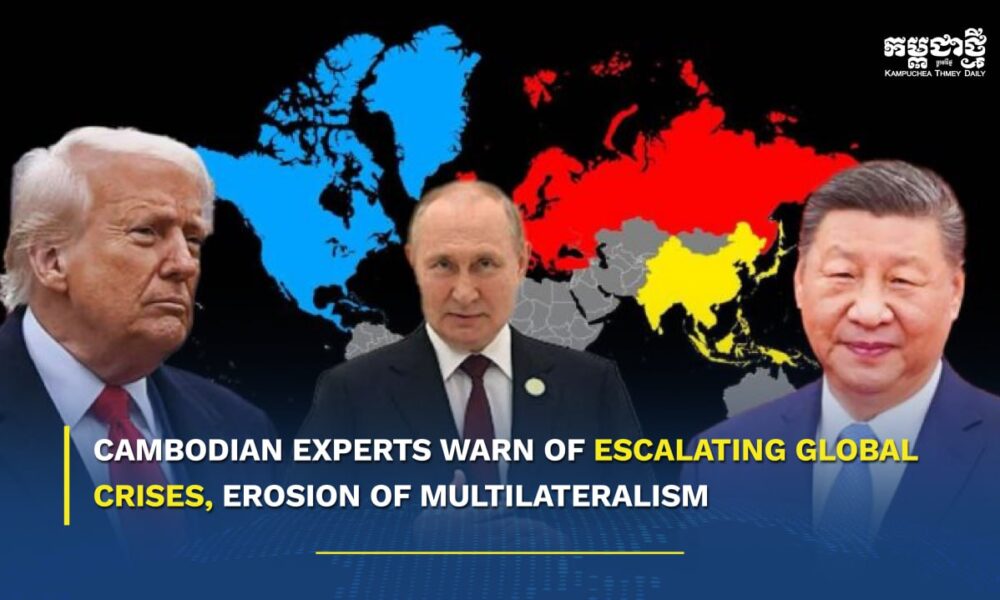
Cambodian Experts Warn of Escalating Global Crises, Erosion of Multilateralism
PHNOM PENH, Cambodia (Sept.29,2025) — Cambodian officials and experts are sounding alarms over rising geopolitical tensions, weakening global governance, and the threat of escalating conflicts, including unresolved border disputes in Asia, particularly between Cambodia and Thailand.
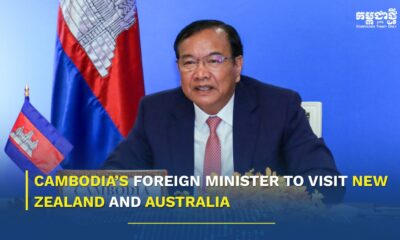
Deputy Prime Minister Prak Sokhonn, who also serves as minister of foreign affairs, issued a stark warning during his address at the 80th session of the United Nations General Assembly in New York.
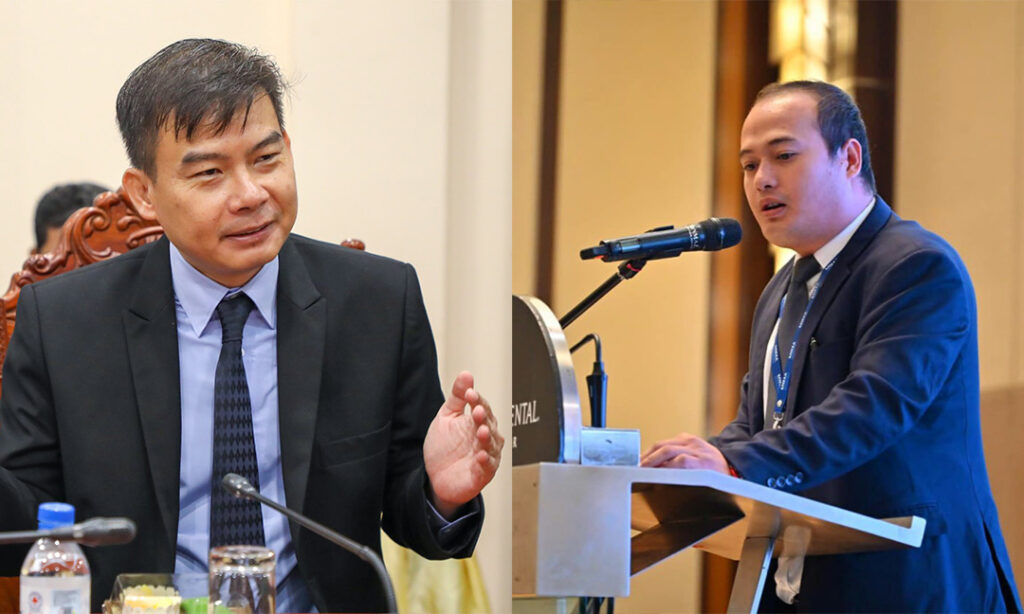
Chheang Vannarith, chairman of the Angkor Social Innovation Park, said the world is facing multiple overlapping crises, including armed conflicts, economic downturns, climate change, and emerging nontraditional security threats.
“Geopolitical rivalries among major powers, ongoing armed conflicts, and global economic instability are pushing the world into a complex and dangerous situation,” Vannarith said.
“If conflicts in the Middle East, Ukraine and Russia, and across Asia are not de-escalated, the situation could spiral into global chaos — or even a third world war.”
He warned that declining respect for international law and the U.N. system has made it increasingly difficult to address these challenges through traditional diplomatic mechanisms.
“In this chaotic environment, where the rule of law and international norms are being ignored, small countries like Cambodia face significant challenges when dealing with larger powers,” he said.
On the ongoing Cambodia-Thailand border dispute, Vannarith said Cambodia continues to rely on international mechanisms, particularly the United Nations, to seek a peaceful resolution.
He expressed concern that Thailand appears unwilling to engage in multilateral dialogue and instead resorts to unilateral actions.
“If one side refuses to pursue peaceful solutions through international mechanisms and relies on force instead, resolving the border issue becomes extremely difficult,” he said.
Thong Mengdavid, a geopolitical and international security analyst, echoed those concerns, saying global security is becoming increasingly fragile due to weakening multilateral systems and rising power rivalries.
“The United Nations and other global institutions are struggling to manage international peace and security as powerful states pursue competing strategic interests,” Mengdavid said.
“The paralysis of the U.N. Security Council, particularly due to the misuse of veto power, is a major obstacle to conflict resolution.”
He cited deep-rooted factors that complicate international mediation, including local cultural dynamics, ethnic tensions, domestic political interference, and conflicting economic and security interests among major powers.
Mengdavid also addressed the Cambodia-Thailand border conflict, which has persisted for more than four months. He noted that despite constructive efforts from Malaysia as ASEAN chair, and involvement from the United States and China, the situation remains volatile.
“This conflict illustrates the slow and limited response of the international community,” he said. “From Cambodia’s perspective, the lesson is clear: regional peace and stability depend heavily on global cooperation and effective multilateralism.”
“Geopolitical divides are deepening, and the growing rivalry between great powers has repeatedly paralyzed the Security Council,” Sokhonn said. “As a result, global crises remain unresolved, and millions of lives are at risk.”
Sokhonn described the current moment as a “critical test” for the international community and called for a renewed commitment to the U.N.’s founding principles of peace, development and human dignity.
He criticized what he called a resurgence of “power politics,” where military strength and coercion dominate international relations, sidelining the voices of smaller and more vulnerable nations.
“The world must return to multilateralism, cooperation and dialogue,” Sokhonn said. “Only through collective action can we overcome the challenges of our time.”







-
 National1 month ago
Cambodia Expands Free ID Services While Introducing Clear Fee Structure for Administrative Documents
-
 National3 weeks ago
Cambodia proposes trilateral anti‑crime liaison mechanism with Laos, Vietnam
-
 National2 weeks ago
PM Hun Manet to visit China as trade surges and investment deepens
-
 National2 weeks ago
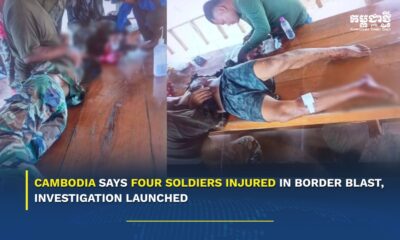
Cambodia says four soldiers injured in border blast, investigation launched
-
 National1 month ago
Samdech Techo Hun Sen Says Cambodia Can Meet Defence Needs Through Domestic Production
-
 National2 weeks ago
Cambodia opens new distribution hub to expand market access for local businesses
-
 Opinion2 months ago
From Connectivity to Resilience: How Japan’s Strategic Shift Could Transform Cambodia’s Next Development Phase
-
 Economy2 months ago
Cambodia Welcomes 1 Million Tourists in Q1, But Arrivals Fall Sharply Amid Regional Pressures