Economy
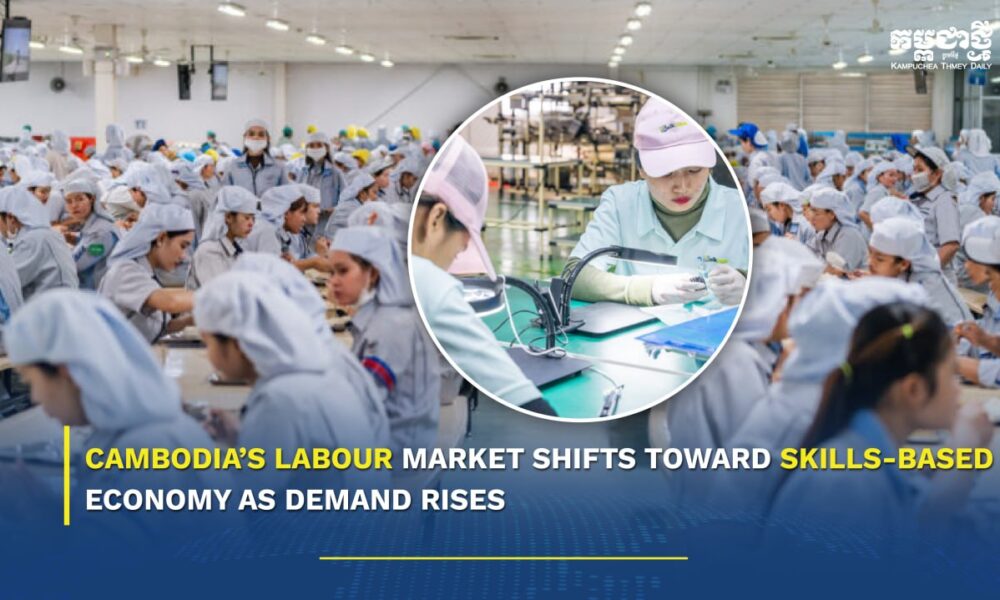
Cambodia’s labour market shifts toward skills-based economy as demand rises
PHNOM PENH, June 9, 2026 (KPT) – Cambodia’s labour market is increasingly moving toward a skills‑based economy, with rising demand for technical, vocational and digital talent as industries modernise, according to the Occupational and Employment Outlook Report for the first half of 2026 of the Ministry of Labor and Vocational Training.
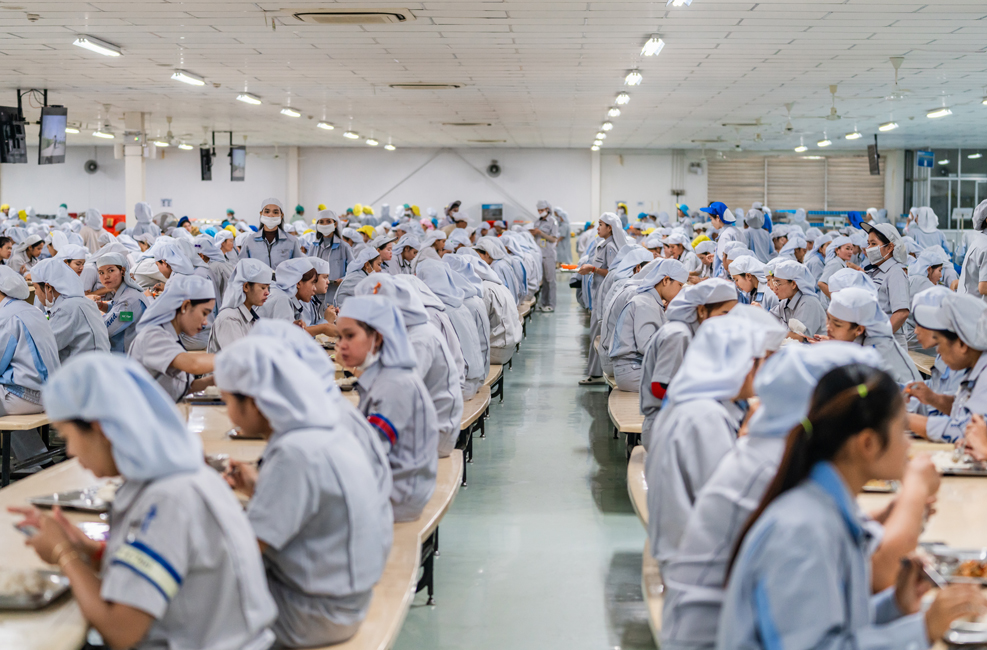
The study, covering 14 key sectors, said Cambodia is shifting away from labour‑intensive growth toward productivity and higher value‑added activities. Traditional industries such as garments, food and beverage, rubber and plastics, wood processing and services including hospitality, transport, healthcare, finance and education continue to employ large numbers, but employers are seeking candidates with specialised skills.

Demand is strongest in information and communications technology, electronics and electrical equipment, and automotive manufacturing and assembly – now among the highest‑paying industries. University‑trained professionals such as software and mechanical engineers earn $850–$1,300 per month, while TVET graduates including electrical and mechanical technicians earn $400–$600, sometimes matching bachelor‑level administrative salaries.
The report highlighted a growing “technical skills premium” as employers pay more for industry‑relevant expertise. Businesses also cited shortages in soft skills such as leadership, critical thinking, creativity and teamwork.
Recruitment challenges are increasingly linked to competition for talent, with 59 percent of employers citing human resource competition and 50 percent pointing to technical skill shortages.
The Ministry said stronger alignment between education and labour market needs, particularly through vocational training and closer collaboration with the private sector, will be critical to sustaining Cambodia’s competitiveness in innovation‑driven industries.








-
 National1 month ago
Poll Finds Strong Cambodian Support for Closer China Ties
-
 Economy2 months ago
Cambodia Moves to Boost Green Economy with $30 Million Climate Financing Deal
-
 Opinion2 months ago
Opinion: The “Scambodia” Fallacy: Editorial Malpractice and the Erosion of Journalistic Ethics
-

 National2 months ago
Cambodia Condemns ‘Scambodia’ Label in Wall Street Journal Report
-

 Economy1 month ago
Cambodia Bans Prize Promotions on Beer and Energy Drinks to Level Playing Field
-

 Opinion1 month ago
Vienna Convention on the Law of Treaties (VCLT)’s ruling over the MoU 2001 Cancellation by Thailand against Cambodian Maritime Territories
-
 Economy1 month ago
Cambodia Caps Fuel Price Rise as Global Oil Surge Hits Domestic Market
-

 Politics2 months ago
Cambodian Embassy in France Rejects ‘Politicization’ Claims, Affirms Neutral Role